Showing posts with label junior nationals. Show all posts

Thursday, April 28, 2016

Report From The 2016 Canadian Junior Nationals

I know it's been awhile since my last post, but I've been busy working with the kids leading up to Junior Nationals and doing some skill challenges. You can find them on my Youtube channel at cchsquashpro or on Instagram at serioussquash. Okay, so today I'm going to discuss the level of play I saw at the Canadian Junior Nationals this year. I did a recap last year you can find here: http://www.serioussquash.com/2015/04/2015-canadian-junior-nationals.html

The challenge with the Junior Nationals this year is the venue. The NSA in Toronto was scheduled to host the event, but has since closed their doors. So the Mayfair Parkway stepped up and did a good job with little time to prepare. Since the last time I was at the Parkway they have take down 2 or 3 courts and put in a mini basketball gym. So unfortunately this meant that this event now needed a 2nd facility which was closely at the Mayfair East club. The challenge with the East club was that there was often nobody at that club to organize anything and the courts were much different. At the East club the courts were panel and quite warm and bound. The kids had to adapt their tactics, be patient and fit if they were going to do well on these courts.


Back to the host club, the Parkway. For anyone that has been there knows the challenge of trying to coach on any court besides the 2 show courts. I brought 9 kids to nationals but only had 2 of the kids ever play on the show courts, so I watched a lot of the matches through a tiny 1 foot window at the backdoor of the courts. Less than ideal for watching, but the only other option was to go upstairs and then come down between games (which wasn't very close). So this was a challenge for us as coaches. Another problem with the viewing is that this means I didn't get to watch much of the other matches. But today I'm going to write about the bit that I did see.


 I watched many of the finals on Sunday. There was some contrast of styles between attacking players and retrievers. I felt that the caliber and depth was reasonably high for the boys and in the lower divisions for the girls. Watching the boys play it always amazes me how they can cover the court and hit with such a consistent high pace. There are some good athletes on the boys side. It's funny how players develop as either retrievers if they're fast or attacking players if they don't move quite as well; it's quite rare to be highly skilled in both areas. What I didn't see from most of these top boys was changing the pace and angles of their length. They all liked to hit the ball so low and hard and it just wasn't putting pressure because it wasn't tight or deep enough. A few of the boys had good shots and were very attacking, while some of the other ones showed an amazing amount of patience and just kept the ball in play trying to extend points and wait for mistakes.


There are definitely some kids that have loads of potential here in Canada, but are still quite unpolished when it comes to tactics, attacking and their mental game. There was still too many discussions between the refs for my liking. I just felt like the top boys in some of the top squash countries around the world would be more polished, more clinical with their attacking shots, more focused mentally and would be better able to adjust their tactics within a match. I feel like most of the top boys have the ability and desire, have good swings, are physically fit and hit with good pace, but there is a lot more to squash than this. I really believe that the mental game and advanced tactics are crucial for continuing to improve your game. We have some great coaches in Canada, but maybe it's the lack of competition the top boys are getting. It will be interesting to see how they do when they go to the worlds this summer. They will probably be underrated, but I do feel they have good potential yet still a long ways to go!

One bright spot for me was seeing how many great young 10 and 11 year old boys were playing. I still don't get why Squash Canada doesn't have an under 11 division. I bet some of the 11 and 12 year olds wish the younger kids had their own age group. The depth of talent at this age is way stronger than when I was that age, but it's the next few years that will shape their squash careers. Are they dreaming of becoming world champions or will those dreams be pushed aside by those closest to them and will they settle for making a strong varsity squash team? I think these young kids need to get some exposure internationally. When I was in Penang last year the size of the under 11 draws were huge and their skills were generally amazing for their size and experience. I feel like the Long Term Athlete Development program may work for keeping more kids in the game, but not for producing professional word class level players. I wonder if Canada will ever see another Jonathon Power?


On the girls side I was again quite impressed with most divisions. I feel like there was less depth in the under 19 than in previous years, but that is likely because some girls are away at university at 18 and can't make it back to compete. One of the girls from the school I coach at came 2nd (pictured above) and is probably mentally the toughest most focused junior player I've ever seen. She had been sick and not able to prepare properly, but still made the finals and for awhile I thought was going to win it!

The younger age groups showed great promise and the best depth I've ever seen for the girls game. Even some of the under 13 girls could really crack the ball, made good decisions and were quite accurate. Each age group up the girls began hitting the ball with more pace and they all seemed quite strong mentally. I felt like they handled adversity well and stayed pretty positive even when the pressure was on. There were many extremely tight semis and finals on the girls side. I just wish there was a step for them after juniors. That's really the biggest challenge. College squash works for some, but I don't see many of them going through that and then trying to compete professional. Maybe many of them are only focused on making it to a good college program.

I'm sure like there are some Canadian kids dreaming of pro squash, but much less than other countries. I imagine thousands of kids in Egypt wanting to grow up and be the next Ramy Ashour or Nour Elsherbini. I know Nicol David has had a huge impact on the growth of the game in Malaysia. So who do we look up to? It's still JP, but now the young kids don't know who he was and have never seen him play. We need a role model to help motivate our youth and give them hope that they too can achieve their dream if they work hard enough.

The challenge here is that I don't think it's possible for a top world player to make it in Canada. They won't get the competition or the funding. Canada isn't cheap and flights are expensive. How can they afford proper coaching? How can our top players get access to important resources like sport psychologists, personal trainers, physiotherapists, massage therapists, nutritionists and so on? If I was going to try and do it I would go to Europe and play in some of the pro leagues to get the matches and make a bit of money and get better competition. I also know a lot of people have been travelling down to Florida to work with David Palmer. Hopefully one day we can have something set up in Canada that will allow top world class players to be based here. That's what the NSA was supposed to be, but that didn't work. Until we make some changes and improve our high performance pathway I'm afraid that we will continue to perform at a mediocre level internationally.

Sunday, March 13, 2016

Tactics For Wining Now Or Later?

First off I just want to mention that I just started a new Serious Squash Instagram account (username serioussquash) where I will post squash video clips and tips. Today I'm going to discuss an issue that all of us contemplate and often we don't even know we are. I'm gong to talk about your shot selection and are you making the choices you do because you want to win now or to win later? This isn't always the same thing you see. Most people will avoid playing lob serves because they are afraid of hitting it out which would impact their odds of winning today. I feel like most of us are so caught up in winning this point, game and match that we don't dare try to play shots out of our comfort zone.

So do you play high percentage squash? That's clearly the best way to win, right? Minimize risk and avoid making poor mistakes. I like to think about Ramy Ashour when I talk about this subject, because he clearly has hit a pile of tin over the years learning to play low percentage shots and I'm sure he lost a lot of points and games he could have grinder out, but was committed to his long term goal; at least that's my best guess.

When I watch a lot amateurs and especially juniors play, I see then pass up a lot of good openings and hit it back to their opponent. I understand there are big points late in games and matches where playing a big more conservative can be beneficial, but passing up going short for the fear of making an error or setting up your opponent may make you tougher to beat that day, but what about long term? I feel that passive players will learn how to be disciplined and physically fit because they learn to play attritional style of squash. But are there consequences too?

If kids are taught just to avoid mistakes how will they learn to play the tactically sound shot? And there are a lot of different ways to win at squash. Have you ever played someone that was very aggressive on court and attacking short a lot? They may make a lot of mistakes, but they don't allow you into a rhythm. A player that is willing to take some risk in the short term, I believe will also have more room to grow long term because they are open minded. The one concern I do have is the value of discipline and focus that are taught by playing long boring rallies. But I digress. I guess you can see which side of this argument I am leaning towards.

Here is an old clip of me playing when I was 11 and 12 years old. For more squash videos check out my Youtube channel at cchsquashpro. Yes, I'm the little one. The first match is when I lost in the semis of Canadian Junior Nationals (under 14). I know the video isn't the greatest quality, but it was the early 90's! Anyways, what I want to talk about is my style of play in this first match and how it relates to today's topic. I'll let you watch it now and then I'll discuss it below.


So I was a tiny kid and not very fast, but I still liked to play super attacking. I hit as many balls short as I did deep. Yes, I lost this match in 3 but the games were close. It's easy to look back now and say 'wow, what the heck was I doing out there?' I could have used just a little bit of balance in my game and I probably would have won that match. And then perhaps I would go on and win in the finals and repeat as a national champion. I mean, what kid wouldn't want that?

As much as I would have liked to win that match, I do enjoy being the one dictating play and my fearless style of play. I liked hitting winners; I still do! I would solo hit almost everyday and work on my attacking shots. Back then the game was to 9 and you had to serve to get a point, so this probably didn't suit my style. This is also when the racquets had just become oversize and lighter and you could actually start to do more with the ball.

What do you think would happen if someone developed as a junior from the bottom with the style I liked to play here in this video? What if they were actually fast, a little bigger and could hit with a bit more pace? I'd like to think this is what some of the Egyptians do now. I don't see a single player in Canada playing like this now. And of course there isn't. All top kids have a coach and as a coach how could you let your athlete play so risky and shoot from all over the court? It's our job to help them.

I certainly don't coach anyone to play like I did here. But it makes me wonder what I would do if I came across a kid like this, would I try and get them to play more traditional to be more successful in the immediate future or would I be open minded to let them experiment with a variety of shots and this open style of squash? I'd like to say I'm pretty open minded, but I don't know for sure what I would do. I guess the main thing I would say is that they would have to work on their attacking game non-stop. I would also try and help them learn when their opponent is starting to hang around up front and to bury them back a bit and then go on the attack again. I believe in coaching the kid to a style that best suits their game. Some of us are better suited as grinders than others. I do feel like a lot of kids are all being coached to play the same style and it just comes down to who works harder and can do it better.

So you may be wondering what happened to me? That I'm a perfect case study to show that playing this style as a youth is not possible. But I still believe it is. I got to a pretty high level, but had some other areas hold me back. For the right person, with the right passion, dedication and physical traits, I believe they could develop as a super aggressive player and have a successful career. I think finding that right person to play that style is few and far between though.

This post was focused on shot selection and how we can play to not lose or play to win. I believe we should play the right shot, given we have a decent skill set to do so. I don't worry about making errors if it's the right decision. The shots will get better if we try them, if we avoid them because we're not very good at them we may never get better at them and our ceiling for our potential will be lower. This doesn't mean I'm suggesting you go out and start trying to hit nicks from all over the place, but just think about what shots you avoid playing because they are difficult.

Some of the most often passed up tactically correct shots I see are lob serves, volleying a tough serve, hitting counter drops, hitting straight from the front of the court, hitting straight on the forehand off the bounce and the volley and attacking short on loose balls from mid-court. If you want to achieve your potential you should work on all of these areas and any others you feel you are avoiding in your game. If you want to win more now, practice those areas more and more and the results will come sooner than later.

If you do make a mistake playing the tactically correct shot in matchplay, learn to tell yourself that it was the right shot and to continue playing it. In the end I always wanted to become the best I could be and I knew to do that I had to make mistakes and play shots I couldn't execute 100% of the time. I believe you can play to win now, while also not comprising your ability to improve and becoming the best you can be in the future. But if you could only pick one, which would you choose? I find that kids generally will take more risks than adults and if they can't do something they will continue trying to do it until they can. Adults are more 'sensible' and generally play within their abilities. It's no wonder kids improve faster!


Thursday, April 23, 2015

2015 Canadian Junior Nationals

Well I'm back again after a pretty long absence. But it has been a very busy time of year for me, but enough of the excuses. Let's get on to today's discussion. Today I'm going to talk about the overall style and game that I saw at the Junior Nationals last weekend in Calgary. There are some incredibly fit and athletic squash players out there. Much more athletic than I ever was.

Overall I think most of the kids handled the altitude and the bouncy ball pretty well. When I hit with some of my kids I noticed right away the need to shorten your backswing and have your racquet set early. The ball just got on you faster than it would at our home club. If a kid had good racquet prep they managed the bounce fine, but if they were late they would spray the ball out loose. I felt that the bouncier courts magnify technical or tactical deficiencies. If you had late racquet prep you really paid the price; also if you had a poor short game you had pretty much no short game on these courts. Certainly a hug advantage for technically superior kids and for those from Calgary.

With such a bouncy ball one area that could have been used better is deception. It's so easy to hold and flick the ball when it's fast. This is one area that I thought really lacked overall. This is how you make the court play bigger and tire out even a strong fit pair of legs.

Another area that I felt was absent was the finishing shots. Of course with a bouncy ball this is difficult. In general I thought most kids were scared to go for it when they had an opening. They may go short, but would give a lot of margin and used their short game as shots to move their opponent around. But of course this is what the Canadian Coaching books tell us. We don't go for winners, we hit pressuring attacking shots. If a talented player works at it they can hit outright winners when they get the openings. I know this is difficult to do with a bouncy ball if the kids aren't used t it. But all the kids are fit and fast. If you get an opening and you're an attacking player you should go for it. Too often I saw a kid just hit it to the back again. Guess this is why our kids are so fit; they can't end a rally. It made me think about what some Egyptian kids would do with similar loose balls and it was clear to know what was missing. In general our kids are technically strong and good athletes, but when you get to a certain level everyone is.

For me the problem is that we (coaches, parents and the kids) don't accept short term mistakes for long term gain. We see someone hit the tin and we shake our heads and ask them 'what were you thinking?' No wonder they end up just hitting length. A lot of time I also feel that the style of the coach is inherited by the athlete. Some of the coaches played when the game was different, mainly the scoring and equipment. I think the best coaches have to be open minded to how each kids enjoys and wants to play. Obviously we want them to be successful, but more importantly we want them to become the best they can possibly be. If you are an attacking player, practice your drops, nicks and overall attacking game. When you get a loose ball in your matches you won't hesitate to go short, you will just slot it in.

I know length if the base of the game, but there is a lot more to it. It will be interesting to see how the game evolves over the coming years and if any kids will step up and change the way junior squash is played in Canada by becoming more deceptive and attacking. You see it occasionally from the young kids, but that gets coached out of them as they make too many mistakes. How many tins do you think Ramy has hit in his life? That's why he has such an amazing shot game. Just like how Kobe has missed the most shots in the history of the NBA. But every shot he takes he fully believes is going in and he never stops shooting.

If you want to as well spend the hours and hours each week required to add this part to your game. Try practicing with a ball machine or a bouncy ball so the ball stays warm. It's much more difficult to take the ball in short when it's hot and lively. Play aggressive, play to win and hit some winners!

What did you learn from the Junior Nationals? Does the style of play and coaching fit the low goals that most players set? The club had profiles of many of the top athletes posted and many just want to make a varsity team. One coach I talked to there thought so and asked where all the kids were that wanted to become world champions. Looks like Canada is poised for a future of mediocre National Senior Teams. All it takes is a one to prove me wrong and I indeed hope someone does!

Sunday, April 5, 2015

Float Tank Squash Visualization

It's hard to believe it's been over a month since my last post. I have been quite busy preparing for and then running 2 weeks of spring break junior camps. Canadian Junior Nationals are in a week and a half and some of the kids in the camps were preparing for this event. The first camp I ran was for intermediate competitive juniors and was only half days. The 2nd week was full days and for advanced competitive juniors. In the advanced camp this year I decided to include something a little different.

My friend opened the Victoria Float House (www.floathousevictoria.com) almost 1 year ago and is also a good squash player. He grew up playing competitively and understands the importance of the mental game in squash. I feel it can be challenging working with a group of kids and implementing imagery into practice, so for the camp I decided to book each kid a float and recorded an audio track to guide them through some challenging situations that may occur at Nationals.

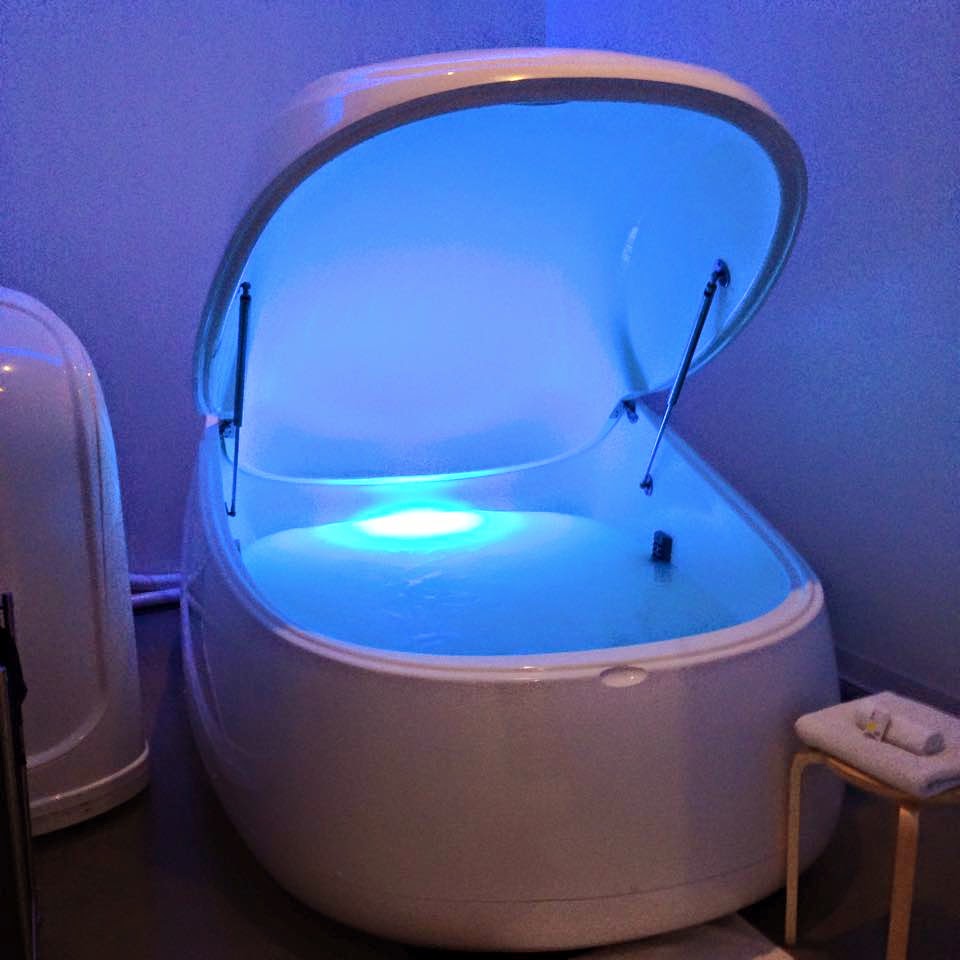
Here is a picture of one of the float tanks. You can turn the light off when you get in the tank. But only a few kids said they turned the lights off.


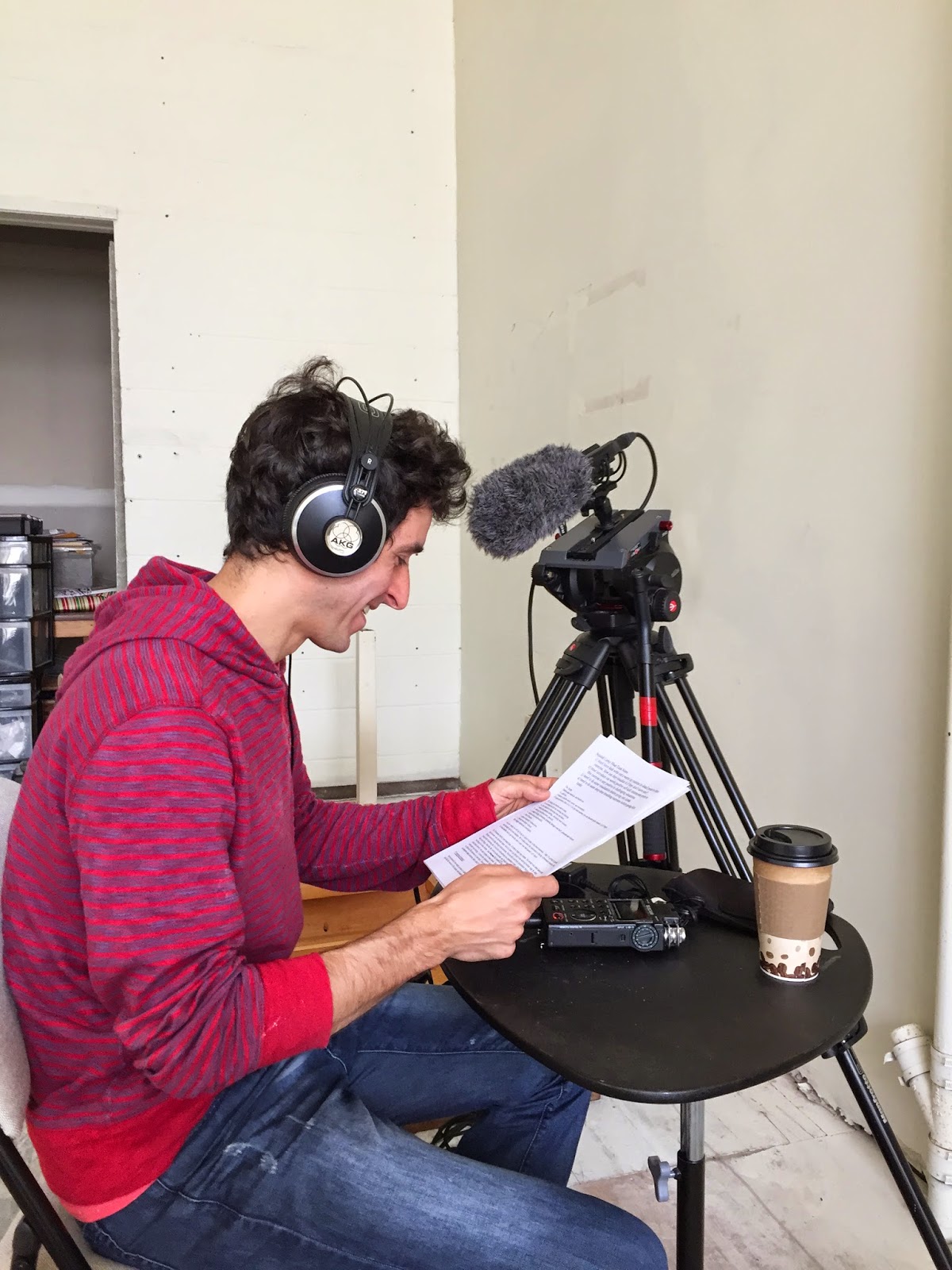
You can see from the image below that my friend who recorded the audio track and used to be in the video and editing business and produced a high quality recording. At the beginning of the track we went through some standard relaxation techniques to help the child get comfortable and focus on taking slow, deep breaths.


I wrote a 4 page script (below) that we recorded. In behind the recording my friend included some soft music and sounds (birds chirping) to make the track less startling after having a few pauses. The pauses in the recording were for the kids to finish off visualizing the completion of a situation we set up for them. We did the floats on Thursday of the camp. Up to this point in the week we talked about staying positive, refocusing, deep breathing and imagery so they were prepared for the floats.


The first thing I had the kids visualize was preparing for their match. I asked them what they were wearing, what song they were listening to and they asked that they complete their warm up routine in their mind. After a 5 minutes of silence where they envision their warm up routine they are now about to step on court. We guide them through the warm up and the first couple of points. We then ask them to complete the game, shot by shot, including their routine between rallies. This was their first situation. 

The 2nd challenging situation was they were up 10-5 and let the lead slide to 10 all. I ask them to imagine how they were feeling and how they would respond. How course nobody wants to be in this situation and let a big lead slip away. But it happens to everyone from time to time. So how you respond in these situations is what I wanted to find out. I asked the kids to visualize the completion of this game. 

The 3rd situation I had them down 7 love in a game and asked how they would feel. Would they start worrying about getting bagled or would they be able to stay calm, positive and visualize themselves responding positively. 

The final challenging situation was in the finals. They were up 2 games to love against a top ranked player and lost the next 2 games. It was then 9 all in the 5th. They get a questionable stroke decision awarded against them. How do they respond from this situation down match ball? 

The 1st situation I presented was a positive one and the other 3 were challenging situations. I thought about including more positive and winning situations. I think this could help confidence and may allow them to be more successful. But I think it's much easier to handle winning situations with a clear mind than it is a challenging one. We all look to make excuses when things don't go our way. But these excuses are simply psychological. If we dwell on them they will become factual, so I don't like hiding from them. Embrace these instances simply as challenges, and see if you can overcome them. When you can do this it is extremely satisfying. 

The entire script was about 50 minutes including the silent parts for visualizing their responses. The age range was from 12 - 17. In total 10 kids floated and 1 had floated previously. 1 of them got salt water in their eyes and said he spent most of his time showering. The good thing about having them in their own rooms, was that if 1 of the kids didn't have the concentration to spend an hour trying imagery they wouldn't ruin it for the rest of the group. This is likely why the remainder of the kids said they enjoyed it and would like to do it again. The Floathouse had the audio on file for the kids to use if the want to try it again. I can also send them the audio track directly so they can listen to it on the plane or anytime they wish leading up to nationals. For many of the kids it was their first experience with imagery and a float tank. 

This was an interesting experience for me and one that I feel has great potential for all athletes. Like any skill we need to practice imagery to improve. When we combine it with a relaxing experience such as a float we also allow our bodies to recover from our hard physical training. Many of us train our bodies and neglect our mind. But if you want to be a champion, it's the mind that will set you apart. 

Hope you enjoyed today's post. Happy Easter to those celebrating. I have plenty of other posts I want to get into. I bought a receiver and earpieces from China. I used them during the camp and can talk directly to my athlete while they are playing. They are very cool. I will cover this topic in a post soon; less than a month from now I promise :)