Showing posts with label imagery. Show all posts

Saturday, May 2, 2015

King Of The Jungle Using Associative Imagery

Today I'm going to talk about how using imagery can improve your confidence, body language and demeanour and overall performance on the squash court. I've previously discussed the importance of imagery for visualizing yourself playing high quality and winning squash as well as handling challenging situations successfully. Today however I'm going to talk about a completely different use and type of imagery and for a separate purpose.

I was generaly a pretty quiet and polite person; yes being polite and a good person are Canadian qualities that can interfere with us playing our best squash. Many people (myself included) have been psyched out and our focus too external before and during a match. We think about how good our opponent is instead of focusing on our own game and what we can control. Sometimes in the match we go well out of our way to avoid contact with our opponent and apologize for hitting a good shot. There are many examples of these types of gestures that go on unnoticed. Most people if they do notice, would just say that it's good sportsmanship being displayed. Although this may be true, for me the issue is too much respect on general focus is displayed onto your opponent. I see many people (especially juniors) with their shoulders slumped and head down. You can read their negative body language and low self-efficacy a mile away.

I want to be clear here that I am not condoning arrogance or poor sportsmanships. But there is a line in between and I believe that most Canadians lie heavily on being overly polite and proper which hurts their squash game. In sports such as basketball we see, well hear trash talk from top players. This isn't what I'm condoning either, just an example of their outwardly competitive nature. My point is that this type of confidence and self-assurance goes along way towards playing to win and shows that you're not intimidated by your opponent.

In squash and tennis this doesn't happen. We say 'good shot' and apologize for hitting nicks, plus we give away strokes and hand outs lets if there is the slightest bit of interference. We almost feel bad for winning if we do and certainly don't want to bagel anyone. There is clearly a lack of aggression and confidence reflected with this type of behaviour.

So I bet you're wondering, how to draw that line and become more assertive, while still being a good sport? It can be done. Tiger Woods doesn't cheat, well not in golf anyways. And Tiger is ferociously competitive. The same can be said about Kobe Bryant and Michael Jordan who were both known to talk a little trash; the greater their opponent the more they loved the challenged and wanted to go one on one with that person. They were well respected and didn't do it to show up their opponents, this is just their competitive nature which is what drove them to become legends. I would say the same goes for Ashour and Shorbagy as well as many of the top players, they just don't verbalize their thoughts and emotions but they certainly go on court with positive body language. This isn't always an easy thing to have if you have lost to someone before or after you lose a few points.

So how can you improve this part of your game? I like using associative imagery along with positive self-talk statements. It may sound silly to some of you, but try it and you'll feel bigger than your body and more confident going onto court. Here are a few images that you can visualize before or during your match.

Don't be afraid to express your emotions and play fearless. Nobody dares mess with a black bear. 


King Kong thumping on his chest is a very powerful image. Try doing this or imagine yourself doing this before you go on court. It can dramatically change how you think and feel about yourself and your game. Get your tail up, shoulders back, chest out and head up. Exude positive and winning body language.  


The king of the jungle takes no prisoners and doesn't back down to anyone no matter what. Even if you have to take on someone that is way out of your league the lion would never go down without giving it his all.

These are a few examples that I find quite powerful. Do you play like a lion? Or are you more like a turtle hiding its head in it's shell when the going gets tough? This is what normally happens to juniors. If you normally play like a dog with its tail between its legs maybe you need to be more ferocious and look to see what really lies inside of you. Do you want to win? How badly? Do you want to be the best you can be? Why do you train so hard and put in all that work? Just to hope you will win or to go out there and make it happen? If you want to play your best and exude confidence play like a giant and you'll feel like one.
If you are a quiet or introverted type of person this approach may be extremely beneficial to your game. Meanwhile if you are already an overconfident, arrogant person maybe you need to imagine yourself as some cool, easy going cat or person. For most people I've seen and coached I think getting more amped up and confident, getting your tail up type of imagery and self-talk would do them the most good.

Try and picture your primal instincts. Are you a fight or flight type of person? How do you instinctively react in challenging situations? If your instinctive response is flight you will likely need to work at this to get comfortable on court. I think this is something that can be learned and trained. So for those that feel uncomfortable in competition there is hope. Try using associative imagery and recite powerful statements about yourself. When I found myself doubting my ability I would think back to all of the years of hard work and hitting balls. I would tell myself that I had been preparing for this moment and to play squash my entire life. You can try this or something similar. At the very least going out and having a plan or just getting out of your own head and letting your natural ability take over is your best chance.

Again, I feel like I have to reassure people that there is a line here. You aren't doing this to intimidate, just to focus on your own game and that you are playing to win. Most of us are more concerned about our opponent and we get psyched out and don't let our true emotions show. Of course you have to be able to control your emotions and still play smart. Find a balance and find what works for you. You don't need to behave like John Mcenroe to be successful. Don't expect your opponent to give you the game, go out and win it. Take no prisoners.

Wanting to be the best is normal and a healthy way to think and has driven many to the top of their field; they didn't become the best by accident or by hoping they would, they knew they would. They had the desire, belief and confidence in their ability. You have to believe that you can and will win to become a champion. Play within the rules, play fair, play with confidence, back down to no one, play to win, play fearless and play like a beast!

Sunday, April 5, 2015

Float Tank Squash Visualization

It's hard to believe it's been over a month since my last post. I have been quite busy preparing for and then running 2 weeks of spring break junior camps. Canadian Junior Nationals are in a week and a half and some of the kids in the camps were preparing for this event. The first camp I ran was for intermediate competitive juniors and was only half days. The 2nd week was full days and for advanced competitive juniors. In the advanced camp this year I decided to include something a little different.

My friend opened the Victoria Float House (www.floathousevictoria.com) almost 1 year ago and is also a good squash player. He grew up playing competitively and understands the importance of the mental game in squash. I feel it can be challenging working with a group of kids and implementing imagery into practice, so for the camp I decided to book each kid a float and recorded an audio track to guide them through some challenging situations that may occur at Nationals.

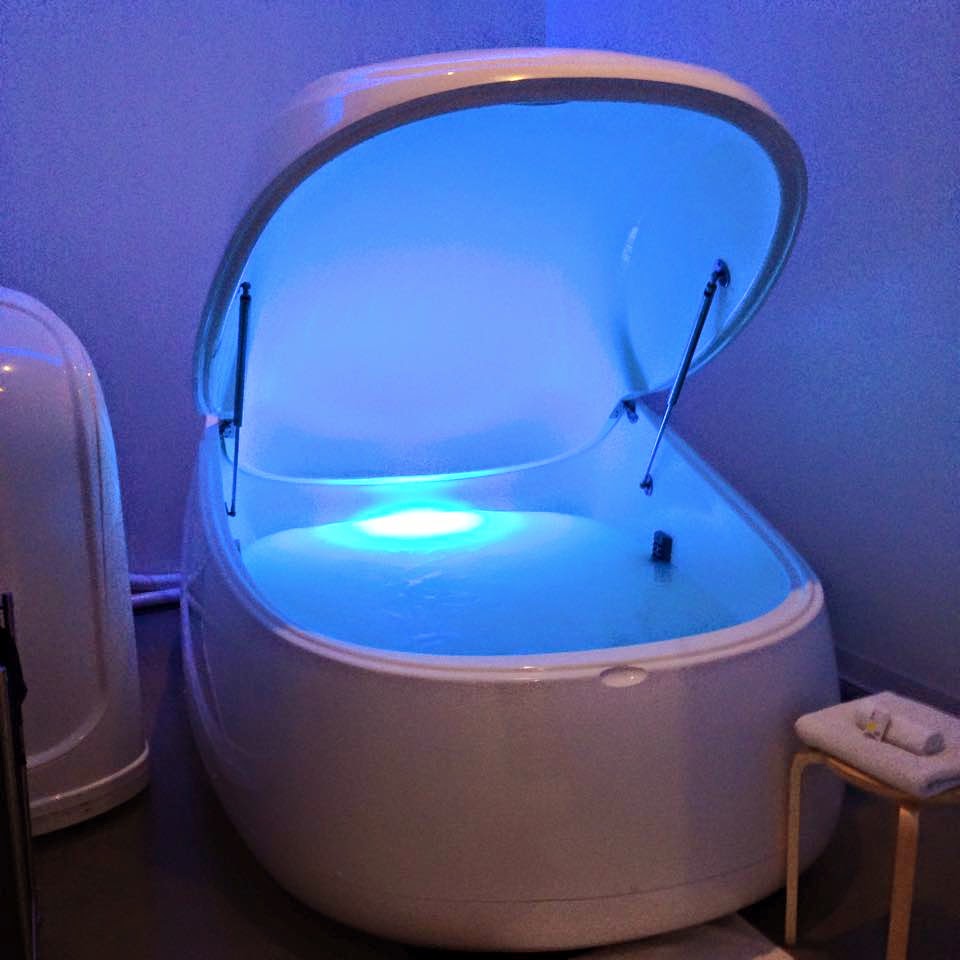
Here is a picture of one of the float tanks. You can turn the light off when you get in the tank. But only a few kids said they turned the lights off.


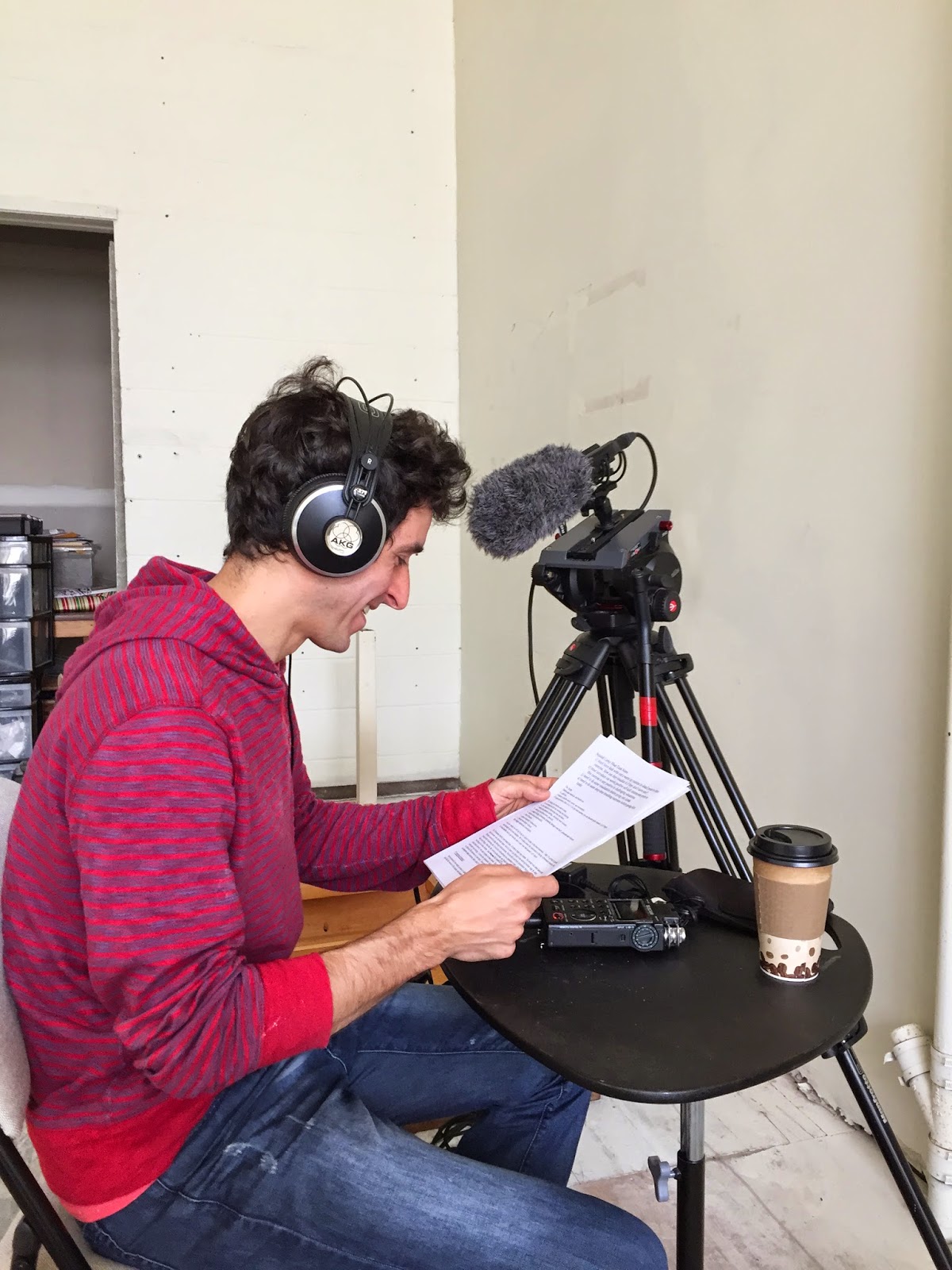
You can see from the image below that my friend who recorded the audio track and used to be in the video and editing business and produced a high quality recording. At the beginning of the track we went through some standard relaxation techniques to help the child get comfortable and focus on taking slow, deep breaths.


I wrote a 4 page script (below) that we recorded. In behind the recording my friend included some soft music and sounds (birds chirping) to make the track less startling after having a few pauses. The pauses in the recording were for the kids to finish off visualizing the completion of a situation we set up for them. We did the floats on Thursday of the camp. Up to this point in the week we talked about staying positive, refocusing, deep breathing and imagery so they were prepared for the floats.


The first thing I had the kids visualize was preparing for their match. I asked them what they were wearing, what song they were listening to and they asked that they complete their warm up routine in their mind. After a 5 minutes of silence where they envision their warm up routine they are now about to step on court. We guide them through the warm up and the first couple of points. We then ask them to complete the game, shot by shot, including their routine between rallies. This was their first situation. 

The 2nd challenging situation was they were up 10-5 and let the lead slide to 10 all. I ask them to imagine how they were feeling and how they would respond. How course nobody wants to be in this situation and let a big lead slip away. But it happens to everyone from time to time. So how you respond in these situations is what I wanted to find out. I asked the kids to visualize the completion of this game. 

The 3rd situation I had them down 7 love in a game and asked how they would feel. Would they start worrying about getting bagled or would they be able to stay calm, positive and visualize themselves responding positively. 

The final challenging situation was in the finals. They were up 2 games to love against a top ranked player and lost the next 2 games. It was then 9 all in the 5th. They get a questionable stroke decision awarded against them. How do they respond from this situation down match ball? 

The 1st situation I presented was a positive one and the other 3 were challenging situations. I thought about including more positive and winning situations. I think this could help confidence and may allow them to be more successful. But I think it's much easier to handle winning situations with a clear mind than it is a challenging one. We all look to make excuses when things don't go our way. But these excuses are simply psychological. If we dwell on them they will become factual, so I don't like hiding from them. Embrace these instances simply as challenges, and see if you can overcome them. When you can do this it is extremely satisfying. 

The entire script was about 50 minutes including the silent parts for visualizing their responses. The age range was from 12 - 17. In total 10 kids floated and 1 had floated previously. 1 of them got salt water in their eyes and said he spent most of his time showering. The good thing about having them in their own rooms, was that if 1 of the kids didn't have the concentration to spend an hour trying imagery they wouldn't ruin it for the rest of the group. This is likely why the remainder of the kids said they enjoyed it and would like to do it again. The Floathouse had the audio on file for the kids to use if the want to try it again. I can also send them the audio track directly so they can listen to it on the plane or anytime they wish leading up to nationals. For many of the kids it was their first experience with imagery and a float tank. 

This was an interesting experience for me and one that I feel has great potential for all athletes. Like any skill we need to practice imagery to improve. When we combine it with a relaxing experience such as a float we also allow our bodies to recover from our hard physical training. Many of us train our bodies and neglect our mind. But if you want to be a champion, it's the mind that will set you apart. 

Hope you enjoyed today's post. Happy Easter to those celebrating. I have plenty of other posts I want to get into. I bought a receiver and earpieces from China. I used them during the camp and can talk directly to my athlete while they are playing. They are very cool. I will cover this topic in a post soon; less than a month from now I promise :) 

Thursday, November 27, 2014

The Knock Up

I thought about calling today's post the warm up, but that wouldn't be technically correct. Today I'm going to discuss the knock up. This is the 2 and a half minutes you get per side before starting the match. If you don't watch a lot of squash and pay careful attention to the knock up you likely won't understand just how important it is. Hopefully after I explain its importance today you will. Let's get right into it!

I have to begin by saying that the knock up is not the time to physically warm up. You should have done your warm up prior to going on court. Another pet peeve of mine in the knock up is when people hit the ball back to themselves countless times before they accidentally hit it over to their opponent. You should hit the ball no more than 3 times to yourself and then over to your opponent. You only have 2 and a half minutes per side and this should be shared equally. Before getting into what you should do in the knock up I want to make sure everyone is on the same page for these 2 areas. Warm up before going on court and hit the ball a maximum of 3 times to yourself before hitting it over. Let's move on.

So you're asking why the knock up is such an important topic that it requires an entire post all to itself? You're about to find out.  The knock up is a very important part of the match. Although you can't win or lose any points during it, it consistently influences the outcome. I see this all the time especially at the junior level. Here's how..

The first problem here is that it is easy to read a kids body language I can tell when they are intimidated by how good their opponent's swing looks. They also get nervous hearing how hard they crack the ball and by fast volleys and nice drops their opponent is hitting. Mostly kids psyche themselves out by watching in awe of how focused and prepared their opponent is. They're concentration is no longer on their hitting and what they can control. They've already begun thinking, 'oh oh.' Or it can go the other way and they may underestimate their opponent and think they don't need to play their best. I thought it would be helpful to make a list of Do's and Don'ts for the knock up. Some are more critical than others, but hopefully this will give you an idea about what I like to see during a knock up.

Knock Up Don'ts
- focus and watch your opponent in awe
- stand flat footed
- have your racquet by your ankles
- just hit aimlessly
- think about the outcome
- hit every shot as hard as you possibly can
- look all over the place, including outside the court
- this is not your time to stretch and warm up!
- this is for safety, but don't wear track pants that touch the floor as I've seen people slip

Knock Up Do's
- on your toes and moving around
- vary the pace of your shots
- hit some volleys
- keep your thoughts positive
- breathe to allow you to relax and calm the nerves
- keep your attention and vision inside the court and on the ball
- think about your strategy and reaffirm it
- adjust to ball and court but finding your length
- hit difficult width to your opponent and see how they fair on the volleys against pace and lobs
- have your shoe laces tied up!

I've seen some people still have their headphones in during the knock up. How can they hear the ref tell them to switch? Personally I don't like going in with headphones on. I think it's a little rude, but that's just me.

Their is a big mental side to the knock up. Don't underestimate it and pretend like it isn't important. A lot of the time the person that looks more focused and relaxed not only has a better start but also wins the first game. If you win the first game, well that surely helps you're case in winning the match! The knock up is to get the ball warm and adjust to the bounce of the ball. If it's bouncing weird or has a small crack in the seam you can always request a new ball. Depending on the level of the tournament  you may get a new one. If not, don't make a fuss and get upset about it. It's the same for both of you.

If during the knock up you can't help but thinking how good your opponent looks and that you have no chance. You need to tell yourself that you're prepared. I like to think that I've played squash my whole life and I'm ready for this. You never know how fit or fast someone is, what their shot selection is and how accurate they are under pressure. I've beaten a lot of people that were bigger and hit harder than me. Be confident and stay positive.

I should also mention that when a ref isn't there yet, many people will keep hitting for as long as possible and never switch. You don't have to time yourself, but as someone that has organized tournaments make sure to switch after a few minutes. Hopefully by the time you're ready to start the ref will be there. This can help keep the tournament running on time which helps everyone involved.

Even though I said that this post wasn't about the warm up prior to getting on court. I do have to mention that a prematch warm up routine helps not just to prepare the body, but also the mind. Which of course gets you into an optimal mindset for the knock up. I find a good warm up routine is very individualized. I wrote a short post a while back about the physiological benefits of warming up and cooling down. Here's the link if you're interested. http://www.serioussquash.com/2011/11/warming-up-and-cooling-down.html. But remember that these are just the physical reasons to warm up, to me the psychological reasons for having a warm up routine is as or more important.

I'm also going to write a post in the near future about imagery. Imagery is something that a lot of pros use as part of their warm up routine. If you're serious about your squash this is something I highly recommend.

Hope you enjoyed today's post. Maybe you'll pay a little more attention to the knock up in the future. Be honest, do you make match predictions during your knock ups? It may give you some clues to their weaknesses and assist you with a strategy, but you should never get ahead of yourself. If you don't know your opponent going into the match focus on your own game plan. Always expect and prepare to play your best squash, regardless of your opponent. Maybe you'll even win a few matches because of how good you look in the knock up!

Wednesday, November 12, 2014

Focus On The Positive

Today I'm finally getting around to focusing on the positive. I think this is one of the areas that all of us can improve. This holds true for athletes, parents and coaches. All of us would benefit from being more positive and optimistic. As an athlete we normally vividly remember the bad mistake that we can't believe we made or the poor loss lingers on. I feel that most of us are too fixated on the areas we need to improve or a bad loss compared to the good things. If we focused more on our strengths and good performances we would be more confident, play better and enjoy competing more. We wouldn't worry about repeating a mistake or having a bad loss. It sounds so simple, doesn't it? Let's find out how we can change our thought patterns and become more positive.

For The Athlete
Positive Self-Talk: it starts with yourself. It doesn't matter what anybody else says or does if you are too hard on yourself. I like to ask people to pretend they are a coach. What would you say if you were coaching yourself? If you can take a step back and listen to the critical things you're saying about yourself no wonder you're not playing better. It's difficult to step back and not judge yourself while you're competing. If you make a mistake don't beat yourself up over it. You need to look at the positive about how well you set up the rally and that next time you will make that shot. This is a challenging perspective to have when you play, but it will positively influence your future performance by having this type of outlook and response. The more challenging of situation you are in the more important it is to stay positive. That's how I look at it. If things are looking bleak think like a champion and remain calm and confident. Always expect things are going to turn around and continue saying positive statements to yourself like 'I can do this,' or 'I will do this.' If I find myself losing confidence when I'm not on court I remember all of the hours I've dedicated to my craft. 'This is my destiny, I'm prepared, I'm ready for this, I can do this.'

Positive Body Language: watching juniors play you can normally tell how they are doing just by a quick glimpse at them. When things are going well we have our shoulders back, our head up and exude confidence. We are saying positive things in our head and we believe it because things are going well. However, when things aren't going well most of us slump our shoulders and you can tell by looking at our face we are not happy. In this mindset we are judging ourselves and living in the past. It is up to us to turn this around and become more positive. To turn things around I like to get up on my toes and bounce on them before the serve. Get your head up and shoulders back and repeat a positive statement to yourself. Take a deep breath and you are now refocused. The more challenging the situation the tougher this can be to do. This game is very mental and being confident and maintaining confident and positive body language will help you stay more upbeat. Some people feel they don't deserve to be positive and confident. They accept that they are not that good and that they actually enjoy this low self-esteem. This way they are prepared for failure and can handle it better mentally. This is not an effective method for becoming a top competitive squash player. What you think about yourself and choose to believe is up to you.

Focus On The Present: this is how we can get into the 'zone' and stay in it. That doesn't mean we can't interpret the past, we learn from it and move on and don't dwell or relish in it. If you spend your time thinking about the last point or game or about what may or may not happen you are not in the zone. We have a tendency here to remember the bad things that have happened and the potentially bad things that may happen in the future. If you can stay focused on the now you will play better squash.

Visualize: this is something many top players do before each match they play. The amount of time they spend varies from person to person, but the reasons for visualizing are similar. This is an effective method for getting into an ideal mindset for competing. Some people visualize a previous excellent performance while others visualize the upcoming match. They use their minds eye to see what they are about to do in the match and the more vivid the imagery the better. Imagery is a powerful tool and can help build your confidence. You can envision your strategy and building rallies and winning points. Visualize how fluidly you move around the court, how you are hitting perfect length and taking the ball in short with great precision. This isn't a skill that will always show benefits the first time you try it. Like any skill the more you do it the better you get at it and the more beneficial it will be to your performance. You don't need to be on the professional tour to begin using imagery.

Prepare: to be confident going into a match or a tournament we will feel more confident and positive if we have prepared properly. If we've done all that we can to prepare for a tournament there is nothing we should worry about. Even if we don't have the results we want, we did everything we could to get ready for it. This we can be proud of. If you want to feel more confident, train and prepare properly for your tournaments. If you were sick or coming off an injury you should still feel confident that you did all that you could to prepare. You may not be 100%, but you can give it your best shot and go in without any expectations. When we aren't playing our best or feeling our best how we think we are playing is not actually that far off from our normal performance. This means we are prone to poor body language, negative thoughts, and our focus drifts into the past or future. Don't use these as excuses. Stay positive and compete; that's within your control.

Have Fun: this sounds too simple to be true, but it is a common problem. When we don't enjoy playing squash it can feel like a chore and isn't fun anymore. When we feel relief to get a victory this is a sign that we didn't have fun. Can you really have fun playing in a big competition? I enjoy the feeling of being focused and the process of hitting good shots and retrieving their best shots. If you don't enjoy competing it's because you are focused on the wrong things. Squash is a game and odds are if you're reading this you aren't making a living based on a single result. We put pressure on ourselves to live up to our own or someone else expectations. This is debilitating and unnecessary. If you can stay more relaxed and enjoy the game you will play better and do better.

For The Coach/Parent
Encouragement: we all have a tendency to tell people what they can do better. That's why they pay us  coaches. I've learned how important and sometimes challenging it can be to give an athlete positive feedback. All I ever want from an athlete is that they go out and compete and give it their all. If they are overmatched on the court I can at least give them encouragement about their effort and try and be positive and encouraging. This is great experience for you. Keep fighting for every shot and point. Regardless of the situation it is essential to give positive feedback. I feel that I tell it like it is so if I give someone positive feedback they know that I mean it. Telling someone how poorly they executed something just makes it worse. They probably already know this and are focused on it.

Put A Positive Spin On Things: this is a skill that great coaches make look easy, but it is not always so. We don't want to say to an athlete don't do this or that. Instead we have to put a spin on it to make it more positive. For example, if someone is hitting too much tin you don't need to tell them to stop hitting it, they already know that! If they are going short at the right time you can reinforce that they have a great drop and when it's on to go for it. This is what they likely want and need to hear and will give them the best chance of turning things around and hitting higher quality drop shots. Athletes are often emotional after they lose a game or when they feel they are not playing well. Our job is to lift them up and get them back in a positive mindset. We can only do this by putting a positive spin on whatever we feedback we give. Even if our feedback has nothing to do with tactics or the game, we should try and get their mind in a better place for competition. Sometimes this means as a coach we need to avoid getting caught up in the emotion as well. We are invested in our athletes and can easily get swept up in the heat of the game. Sometimes talking about something other than the match can help the athlete refocus and lighten the mood.

Process Based Feedback: again we all have a tendency to praise someone for a win and saying tough luck when they lose. Even though the person may have played better squash in the loss.. to me this doesn't make sense. The outcome is only moderately under our control. Nobody can will all of the time. Give your feedback based on the process of the match. How did the individual conduct themselves in challenging situations? This is what I commend people for, win or lose. Of course I want people to be successful, but sometimes winning does not define success. This is important to remember for kids as they grow and develop. Otherwise they will learn to feel bad and unhappy when they lose a match and that can lead to avoiding competition or making up excuses so they feel better about themselves after they lose. How kids handle the outcome is a learned response. For the longevity and development of their sporting career it's important to focus on the process of the game as opposed to the outcome. I believe that even professional athletes would play better and in turn would be more successful if they could do this. If winning is the goal, how do you not focus on the outcome? Focus on how you are going to give yourself the best change to be successful, the process and you'll improve your chances of winning.

The last thing I want to discuss is the use of video. When we watch video of ourselves play we always want to pick up things we can improve and watch for errors in performance. I believe we should all have clips of our best rallies and make a montage of us at our best. We can watch this before matches or just a replay of one of our best performances. This will improve the vividness of your imagery and improve your self-confidence. It's up to you to believe in yourself. Find a routine that works for you and stick with it. This is why almost every professional athlete prepares the same for game. They eat, drink, warmup and visualize all the same. It isn't necessarily a superstition per say, it's about getting into the same mindset on a consistent basis to perform at their best. We are all capable of this. It just takes time to find what works best for you. Positive self-talk and body language are good places to start. Your brain can be your greatest ally or enemy, it's up to you!