Showing posts with label positive thinking. Show all posts

Tuesday, June 14, 2016

Living Life With Passion On And Off The Court

I'm pretty confident that I'm not the only one out there who thinks like this...

As adults we think that best times of our lives are in our lives were when we were kids. When we were young we had fun everyday. We would play, we weren't stressed out about stuff like bills or our kids. When we were young the future was also bright and full of possibilities. We could do anything in the world we wanted when we grew up. Now as someone approaching middle age I can't help but wake up in the morning and realize that THIS is my life. This is what I have become and who I will be until the day I die. Which for the record I hope is not for a few more good decades.

Now as a fairly responsible adult who goes to work, pays his bills on time and doesn't go out partying with his friends on the weekends, this is my life and my contribution as part of a responsible adult society. When we were young, at least when I was, I always assumed a path wouldn't naturally open up and I would eventually figure out what it was I was going to do for a living. For much of my childhood I was sure it would be a professional squash player, but that wasn't very plausible or reasonable. Although when I was young I didn't care that it wasn't reasonable and that I wouldn't make lots of money. I absolutely loved squash and was very dedicated towards my dream for a number of years. 

So what's changed now as an adult? I didn't become a pro squash player so my childhood dream didn't quite pan out like I thought they would. I've been pretty happy with my coaching career up to now and I feel like I've made a difference in peoples lives, especially kids. This is kind of just something that felt like a natural progression for me to follow. At university I was a player-captian and it just made sense that I still loved the game and it was my time to give back to the sport I've loved most of my life. 

For the past 7 years I've been coaching and there have been parts I've enjoyed and others I haven't. What I find interesting and what this post is really all about is that over this period of time I've spent a lot of time reflecting about my past and what I could have been. I see or hear of some person who is fulfilling his dream and I wish that was me. I could have been a pro squash player if I didn't quit when I was a kid. I should have asked out a certain girl from school. I think about the job I shouldn't have taken or girl I shouldn't have dated. I think these types of things are all very normal things to reflect on. But what I realized recently is that I spent so much of my time thinking about the past that I was acting like the best part of my life was behind me and that my opportunity to have the type of future I always dreamed about was long gone. 

People who are not happy with their job or relationship feel like they are stuck and that they can't do anything about it. It was refreshing hearing a story about George Mumford in his book The Mindful Athlete say that he was miserable in an accounting job, but none of his co-workers would leave because they were dependant on the money they were now making. George decided to leave with no idea about what he was going to do next. I can't imagine any adult doing something so drastic without a plan in mind. It's irrational and something only a child would do, no? Well he made a whole new life for himself and it sounds like he is quite happy with his life changing decision. He was so brave take that first step and it completely changed his life. 


So why as adults do we feel like it's too late to do something worthwhile, something more or something better? How do we get out of being so comfortable with our day to day to live how we want to live and do things that get our creative juices flowing? 

As destructive as it is in squash to be thinking of the previous rally in the current one it can be just as deadly in other areas of our lives. This doesn't mean you have to change everything about who you are or what you do, but maybe you just have to take a look at your life and see what if there is something you've always wanted to do and have given up on it. Do you continue to procrastinate about something because you're comfortable with your current life and have trouble changing your mindset and finding the motivation to start? 

For me personally I just started to realize that I took work too serious sometimes and it became work, when it should have been more enjoyable because I love squash and I love working with kids. So for me it wasn't even changing anything in particular it was just my mindset. I also decided to finally get my knee surgery which will hopefully allow me to play squash again at a competitive level and perhaps I can compete in some competitions one day soon. A few months ago I also started filming skill challenges just for fun. I stopped thinking about what I hadn't done and started doing things I wanted to do. 

I had no reason behind doing any of these things other than I just enjoyed inventing new skills and trying to see what I could do. Spending time doing things like these challenges or writing this blog is way I take control of my life now while I also create am exciting future with endless possibilities. I also recently designed some Serious Squash merchandise just for the heck of it. Why invest with a bank when I can invest in myself! Where will this all lead? I don't really know, but I'm doing things that I enjoy and creating my own unique path for my life. I'm living and enjoying each day because of what I get to do and rarely do I catch myself drifting off to my childhood and wondering what could have been because I am making things happen that are way cooler than I could have ever dreamed of. 

I feel like once things begin to happen and fall in place I was happier and more confident in what I'm doing with my life. Recently a squash company reached out to me and has expressed interest to sponsor me (including some cash, yes a retainer!) to produce my skill challenges for them. I don't know where this will lead, but I enjoy the possibilities and the creativeness behind my unique path. I followed my passion and doors began to open. 

I still enjoy writing these blog posts when I have time and a topic that fascinates me. I've always wanted to design some clothing so I'm excited about this as well. I'm not doing any of these things for the money and I think that's a big reason that they motivate me. If I simply followed my coaching to where I could cash the biggest pay cheque I know that I would never be happy. It's crazy how money can corrupt people and control their lives and trying my best to not let that happen to me. Good thing I don't have expensive taste :)

I'm not saying I have it all figured out and I hope I don't sound like I'm bragging. I'm only writing this post in the hopes that it may inspire someone else like George Mumford did to me. It's never too late to have a dream if we just start doing things we want to do instead of only the things we have to do. If you've always wanted to write a book, or run a marathon, volunteer or become a professional squash skill challenger why not do it now? Maybe just write 1 page for your book with no other expectations. Just because other people may think it's irrational and not support you if you do what you love, I believe that your passion will shine through and people will be attracted to that. Most importantly is that you too will feel more fulfilled and find some joy with the path you've created for yourself.

I hate when adults try to make kids grow up too fast. I feel like most adults like to see kids maturing and becoming responsible young versions of themselves, but what happens when the kids in them is completely gone and they don't find any joy in their life anymore? It reminds me a bit of how adults try and tell kids how to play squash; that they must play high percentage shots, taking away all the creativity and passion for the game. This is what we are all susceptible to and even more so as we get older.

Even though I was training in the hopes to playing professional squash for many years it was because of this that I learned that I could do anything I put my mind to. I simply needed to find something that I was as passionate about again before I could put the same time commitment and love into as I had once my squash. To me squash training wasn't work it was how I wanted to spend my time just like when I write a post or film a new skill challenge. Nobody was forcing me to go to squash or train. It's a shame when adults live years of their lives and don't do anything with passion influencing their life. It doesn't always have to be something big to be significant. 

I've always kept squash close to my heart and it has brought me to where I am today. I'm creating my own path and doing what I believe is best for me, not what others believe is best for me. I'm sure many coaches think that what I'm doing with the skill challenges is immature or a waste of time, but I could care less. Some of the stuff I'm doing will work out others may not, but I'd never know if I only sat by and never tried any of it. I sat by long enough and now I'm making things happen for myself. There's no time like now for you to do the same. 

I'd like to finish off with a quote I recently read on Twitter which really hit home for me. 'The best gift you can give to someone is believing in their success..' This is true for yourself too! Don't stop dreaming or acting like a kid sometimes. It's never too late to make a change and do what you want or become what you want to be. The only thing stopping most of us is our brain. If you've always wanted to travel to or even move to Australia, get a new job, become a musician, no matter what it is you can do any of it if you really want to. 

Go ahead, come up with a ridiculously awesome goal that you would love to happen? Think about it for awhile. What's the first step you could take towards achieving it? Because remember if you want it bad enough you CAN do it. You just need 1 person to believe in you, and that person has to be you! When YOU start believing in yourself life becomes exciting and the future is full of possibilities. You won't need to live vicariously through your kids anymore if you make time for doing something for yourself or with your kids. If you are lucky to enough to know what I mean I'm fairly certain that you also spend very little time reflecting on your past because you find more joy and fulfillment in the present moment. Right now is all that matters. 

Thursday, May 21, 2015

Improve Your Game By Making More Mistakes

Today I'm going to discuss why making errors are so important to improving. In a previous post I discussed a similar topic; I talked about 'Staying Positive After Errors.' If you're interested in reading it you can find the previous post here http://www.serioussquash.com/2014/12/staying-positive-after-errors.html. Today though I'm going to talk about why we have to make mistakes and how to view these on a more positive note.

We all get upset when we miss a shot, especially an easy shot, or even worse yet our favourite shot. This is all just percentages though. Nobody can execute a specific shot 100% of the time. Especially when you add in fatigue, shot selection and perhaps you're trying to hit it under a bit of pressure or your opponent is right on your heels. There are a lot of reasons why we can make an error. Sometimes we just slightly miss the shot. The ball changes temperature and most courts play slightly different depending on the number of people in the club and the weather outside. String tension also slightly changes over time and you aren't always 100% in the zone and focused. These are just a few examples of why we make errors. Of course the most obvious one I have yet to mention is that we are trying to execute a shot with a high degree of difficulty. If we are trying to play a crosscourt volley nick there is a smaller margin of error than a standard drive. There may also be that second voice in the back of your head almost catching you mid-strike, the coaching voice saying, 'who do you think you are? You're not Ramy?'


So whatever the reason is we make an error is not the issue we're talking about today. Today I want to talk about why we needs to make mistakes. I feel players begin to plateau in their game mostly because they become more consistent with their shot selection and execution. They don't beat themselves, but they also don't try do do new things when they play because they have had those poor shot selections and errors weeded out of their game. Of course you can do this and play at the highest level. There is no argument there. But I believe there is always more you can learn and improve in your game. If you limit yourself to say, never attacking from the back or always hitting a straight drive return of serve it doesn't mean your game will suffer. You will probably do extremely well because tactically these are excellent choices. But you are also probably limiting yourself by using the terms always or never.

If we continue making the same mistake over and over do we give up on the shot or is this just a sign that shot is extremely difficult? Like some ridiculously challenging skateboarding flip? If it's a trick a skateboarder can land every time there isn't really any new learning taking place; there is no new speeding up of the myelin connectors. Same goes for a basketball player. If they never practice shots they have trouble with they will never tend their range. We get to a point in squash where we can become very consistent and precise at our squash skill, but there is always something more we should be playing around with and experimenting with. Even if this is only in practice.

So as you can tell I like people making mistakes. Mistakes equals learning. As long as they aren't making mistakes because they lost their focus. I feel most coaches limit squash players into a style where they play not to loose and limit what they could do on a court.

Obviously the thing here is that making mistake after mistake can be very damaging to some peoples confidence. This is why only some people become creative squash players. They aren't afraid or trying new things and failing from time to time. These new shots or skills are like trying to solve complex puzzles. Maybe it's a puzzle that nobody has a solved yet, but that doesn't mean there isn't a possible solution.

If you want to become great you have to take great risks and never stop trying to improve your game. I hope this post has shed some light onto the importance of mistakes, even if we can't stand them. We need to make mistakes to expand our game otherwise we are limiting our potential. I've brought up this fact in a previous post; how many tins do you think Ramy has hit in his life? I bet it's a lot more than probably anyone else on tour. Just like young Mazen Hesham, he too has surely made un uncountable number of errors. He still plays like a junior and is beating top 10 players. I'm sure he'll find the right amount of discipline to compete and eventually make his way to the top of the ranks. I'm not so sure the same would have happened without him hitting millions of tins along the way! You can tell the top players don't like playing him because he doesn't allow them to play in a rhythm.

That's it for today. Hope you can see the bright side of your errors. If you aren't happy with giving away so many free points on a specific shot you just need to keep practicing it. It definitely won't get any better by shying away from it. So go ahead and make some more errors! If you can handle it mentally in the short term it will be good for your game in the long run.

Saturday, May 2, 2015

King Of The Jungle Using Associative Imagery

Today I'm going to talk about how using imagery can improve your confidence, body language and demeanour and overall performance on the squash court. I've previously discussed the importance of imagery for visualizing yourself playing high quality and winning squash as well as handling challenging situations successfully. Today however I'm going to talk about a completely different use and type of imagery and for a separate purpose.

I was generaly a pretty quiet and polite person; yes being polite and a good person are Canadian qualities that can interfere with us playing our best squash. Many people (myself included) have been psyched out and our focus too external before and during a match. We think about how good our opponent is instead of focusing on our own game and what we can control. Sometimes in the match we go well out of our way to avoid contact with our opponent and apologize for hitting a good shot. There are many examples of these types of gestures that go on unnoticed. Most people if they do notice, would just say that it's good sportsmanship being displayed. Although this may be true, for me the issue is too much respect on general focus is displayed onto your opponent. I see many people (especially juniors) with their shoulders slumped and head down. You can read their negative body language and low self-efficacy a mile away.

I want to be clear here that I am not condoning arrogance or poor sportsmanships. But there is a line in between and I believe that most Canadians lie heavily on being overly polite and proper which hurts their squash game. In sports such as basketball we see, well hear trash talk from top players. This isn't what I'm condoning either, just an example of their outwardly competitive nature. My point is that this type of confidence and self-assurance goes along way towards playing to win and shows that you're not intimidated by your opponent.

In squash and tennis this doesn't happen. We say 'good shot' and apologize for hitting nicks, plus we give away strokes and hand outs lets if there is the slightest bit of interference. We almost feel bad for winning if we do and certainly don't want to bagel anyone. There is clearly a lack of aggression and confidence reflected with this type of behaviour.

So I bet you're wondering, how to draw that line and become more assertive, while still being a good sport? It can be done. Tiger Woods doesn't cheat, well not in golf anyways. And Tiger is ferociously competitive. The same can be said about Kobe Bryant and Michael Jordan who were both known to talk a little trash; the greater their opponent the more they loved the challenged and wanted to go one on one with that person. They were well respected and didn't do it to show up their opponents, this is just their competitive nature which is what drove them to become legends. I would say the same goes for Ashour and Shorbagy as well as many of the top players, they just don't verbalize their thoughts and emotions but they certainly go on court with positive body language. This isn't always an easy thing to have if you have lost to someone before or after you lose a few points.

So how can you improve this part of your game? I like using associative imagery along with positive self-talk statements. It may sound silly to some of you, but try it and you'll feel bigger than your body and more confident going onto court. Here are a few images that you can visualize before or during your match.

Don't be afraid to express your emotions and play fearless. Nobody dares mess with a black bear. 


King Kong thumping on his chest is a very powerful image. Try doing this or imagine yourself doing this before you go on court. It can dramatically change how you think and feel about yourself and your game. Get your tail up, shoulders back, chest out and head up. Exude positive and winning body language.  


The king of the jungle takes no prisoners and doesn't back down to anyone no matter what. Even if you have to take on someone that is way out of your league the lion would never go down without giving it his all.

These are a few examples that I find quite powerful. Do you play like a lion? Or are you more like a turtle hiding its head in it's shell when the going gets tough? This is what normally happens to juniors. If you normally play like a dog with its tail between its legs maybe you need to be more ferocious and look to see what really lies inside of you. Do you want to win? How badly? Do you want to be the best you can be? Why do you train so hard and put in all that work? Just to hope you will win or to go out there and make it happen? If you want to play your best and exude confidence play like a giant and you'll feel like one.
If you are a quiet or introverted type of person this approach may be extremely beneficial to your game. Meanwhile if you are already an overconfident, arrogant person maybe you need to imagine yourself as some cool, easy going cat or person. For most people I've seen and coached I think getting more amped up and confident, getting your tail up type of imagery and self-talk would do them the most good.

Try and picture your primal instincts. Are you a fight or flight type of person? How do you instinctively react in challenging situations? If your instinctive response is flight you will likely need to work at this to get comfortable on court. I think this is something that can be learned and trained. So for those that feel uncomfortable in competition there is hope. Try using associative imagery and recite powerful statements about yourself. When I found myself doubting my ability I would think back to all of the years of hard work and hitting balls. I would tell myself that I had been preparing for this moment and to play squash my entire life. You can try this or something similar. At the very least going out and having a plan or just getting out of your own head and letting your natural ability take over is your best chance.

Again, I feel like I have to reassure people that there is a line here. You aren't doing this to intimidate, just to focus on your own game and that you are playing to win. Most of us are more concerned about our opponent and we get psyched out and don't let our true emotions show. Of course you have to be able to control your emotions and still play smart. Find a balance and find what works for you. You don't need to behave like John Mcenroe to be successful. Don't expect your opponent to give you the game, go out and win it. Take no prisoners.

Wanting to be the best is normal and a healthy way to think and has driven many to the top of their field; they didn't become the best by accident or by hoping they would, they knew they would. They had the desire, belief and confidence in their ability. You have to believe that you can and will win to become a champion. Play within the rules, play fair, play with confidence, back down to no one, play to win, play fearless and play like a beast!

Sunday, April 5, 2015

Float Tank Squash Visualization

It's hard to believe it's been over a month since my last post. I have been quite busy preparing for and then running 2 weeks of spring break junior camps. Canadian Junior Nationals are in a week and a half and some of the kids in the camps were preparing for this event. The first camp I ran was for intermediate competitive juniors and was only half days. The 2nd week was full days and for advanced competitive juniors. In the advanced camp this year I decided to include something a little different.

My friend opened the Victoria Float House (www.floathousevictoria.com) almost 1 year ago and is also a good squash player. He grew up playing competitively and understands the importance of the mental game in squash. I feel it can be challenging working with a group of kids and implementing imagery into practice, so for the camp I decided to book each kid a float and recorded an audio track to guide them through some challenging situations that may occur at Nationals.

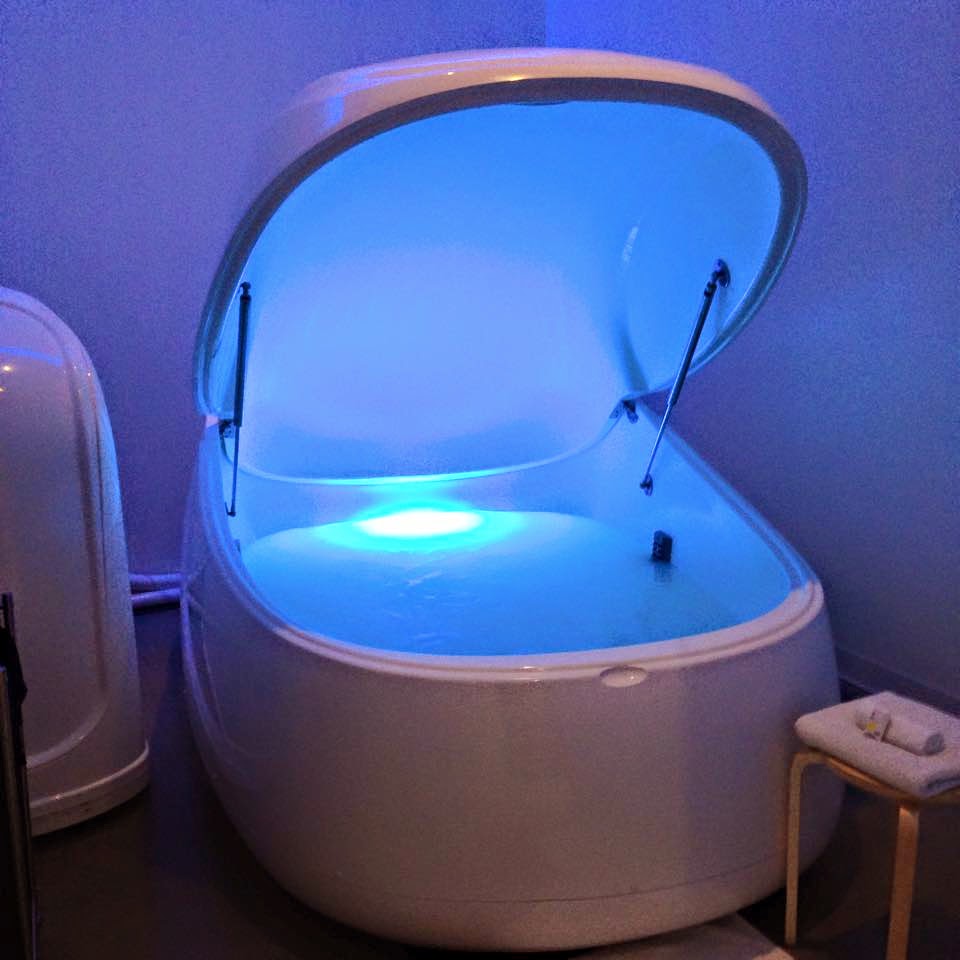
Here is a picture of one of the float tanks. You can turn the light off when you get in the tank. But only a few kids said they turned the lights off.


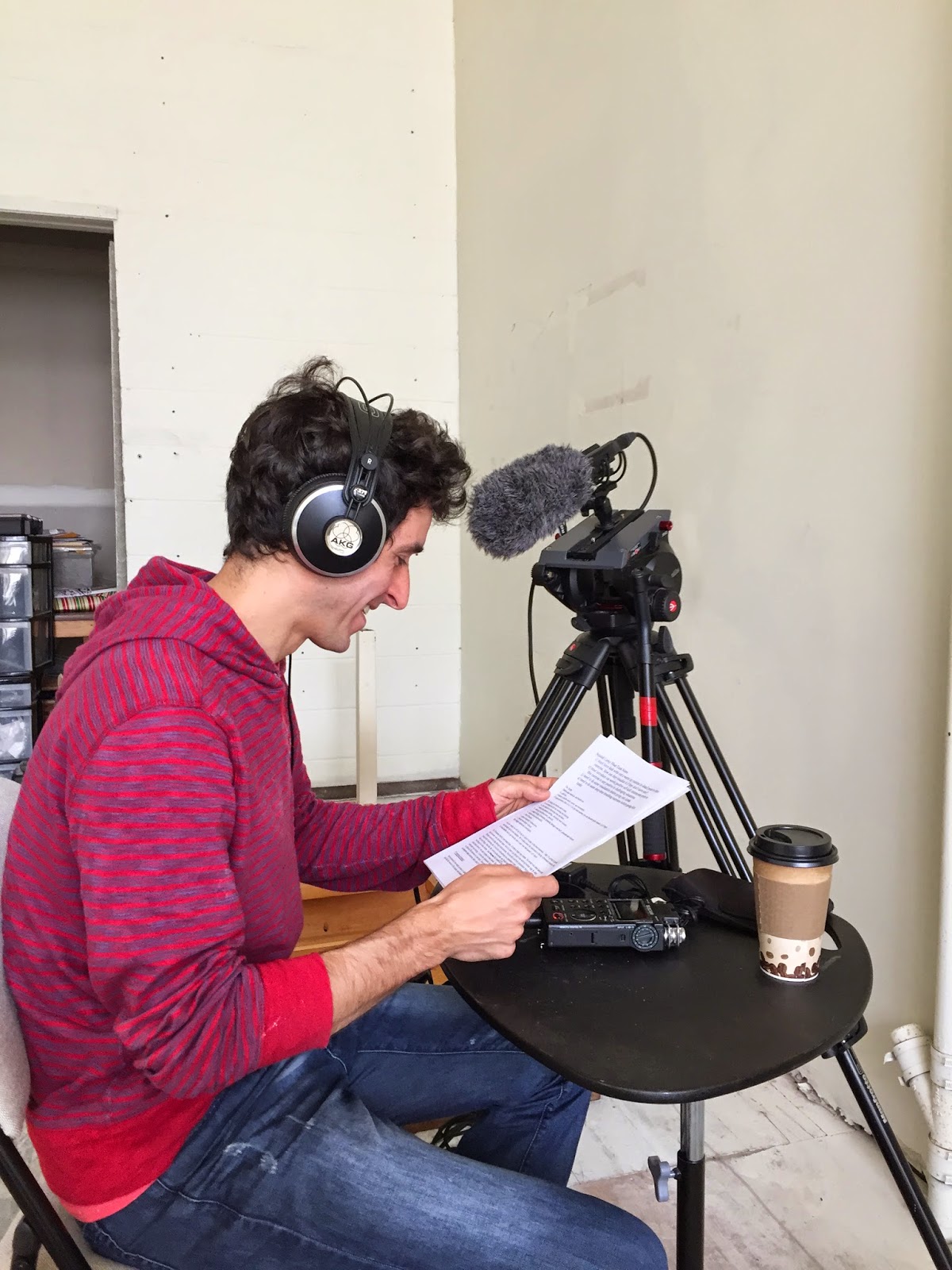
You can see from the image below that my friend who recorded the audio track and used to be in the video and editing business and produced a high quality recording. At the beginning of the track we went through some standard relaxation techniques to help the child get comfortable and focus on taking slow, deep breaths.


I wrote a 4 page script (below) that we recorded. In behind the recording my friend included some soft music and sounds (birds chirping) to make the track less startling after having a few pauses. The pauses in the recording were for the kids to finish off visualizing the completion of a situation we set up for them. We did the floats on Thursday of the camp. Up to this point in the week we talked about staying positive, refocusing, deep breathing and imagery so they were prepared for the floats.


The first thing I had the kids visualize was preparing for their match. I asked them what they were wearing, what song they were listening to and they asked that they complete their warm up routine in their mind. After a 5 minutes of silence where they envision their warm up routine they are now about to step on court. We guide them through the warm up and the first couple of points. We then ask them to complete the game, shot by shot, including their routine between rallies. This was their first situation. 

The 2nd challenging situation was they were up 10-5 and let the lead slide to 10 all. I ask them to imagine how they were feeling and how they would respond. How course nobody wants to be in this situation and let a big lead slip away. But it happens to everyone from time to time. So how you respond in these situations is what I wanted to find out. I asked the kids to visualize the completion of this game. 

The 3rd situation I had them down 7 love in a game and asked how they would feel. Would they start worrying about getting bagled or would they be able to stay calm, positive and visualize themselves responding positively. 

The final challenging situation was in the finals. They were up 2 games to love against a top ranked player and lost the next 2 games. It was then 9 all in the 5th. They get a questionable stroke decision awarded against them. How do they respond from this situation down match ball? 

The 1st situation I presented was a positive one and the other 3 were challenging situations. I thought about including more positive and winning situations. I think this could help confidence and may allow them to be more successful. But I think it's much easier to handle winning situations with a clear mind than it is a challenging one. We all look to make excuses when things don't go our way. But these excuses are simply psychological. If we dwell on them they will become factual, so I don't like hiding from them. Embrace these instances simply as challenges, and see if you can overcome them. When you can do this it is extremely satisfying. 

The entire script was about 50 minutes including the silent parts for visualizing their responses. The age range was from 12 - 17. In total 10 kids floated and 1 had floated previously. 1 of them got salt water in their eyes and said he spent most of his time showering. The good thing about having them in their own rooms, was that if 1 of the kids didn't have the concentration to spend an hour trying imagery they wouldn't ruin it for the rest of the group. This is likely why the remainder of the kids said they enjoyed it and would like to do it again. The Floathouse had the audio on file for the kids to use if the want to try it again. I can also send them the audio track directly so they can listen to it on the plane or anytime they wish leading up to nationals. For many of the kids it was their first experience with imagery and a float tank. 

This was an interesting experience for me and one that I feel has great potential for all athletes. Like any skill we need to practice imagery to improve. When we combine it with a relaxing experience such as a float we also allow our bodies to recover from our hard physical training. Many of us train our bodies and neglect our mind. But if you want to be a champion, it's the mind that will set you apart. 

Hope you enjoyed today's post. Happy Easter to those celebrating. I have plenty of other posts I want to get into. I bought a receiver and earpieces from China. I used them during the camp and can talk directly to my athlete while they are playing. They are very cool. I will cover this topic in a post soon; less than a month from now I promise :) 

Wednesday, February 25, 2015

Rebounding After Losing The First Game

Today I'm going to talk about tactics and the mental game. In particular I'm going to talk about what to do and not do after you lose the first game. Some of us are naturally slow starters and take awhile to find our length or adjust to our opponent's style of play; perhaps our brain is still thinking about work or school. Regardless of why you end up losing the first game the match is a long ways from over.

With the scoring system now using point a rally to 11 the better player doesn't always win the first game. This is a smaller sample of points compared to playing to 15 or hand out scoring. This is why the warm up is crucial. You want to get off to a good start. If you don't you start thinking negatively and trying to do something special to turn things around. Nerves can also play a big factor in how you play the first game. If you are a bit nervous the first part of the game you may make a few mistakes or read the game slower than normal and make a few poor choices. This is alright, no need to panic. This is again why a good warm up and some relaxation or visualization can help you get off to a more consistent start to your matches. But this post isn't about how to get off to a better start, this is about coming back from losing the first game. So let's get to it.

After losing the first game generally we are upset. We probably feel that we just didn't play well. Of course this may be true some of the time, but we have to give credit to where it's due. This is where having a coach can help you. Coming off after losing the first game one can feel emotional and have trouble dissecting what has gone wrong out there. As you become more experienced you will get better at reading this for yourself.

When you come off the court after losing the first game, start off by asking what was going well for you. We tend to always pick on all the things we did poorly, which rarely help us. If you can't think of anything you did well, come up with a basic and positive strategy for game 2. A couple of good ideas are trying to get your opponent to the back of the court, visualizing some targets for your drives (behind the service box or just getting the ball to the back glass can help). Maybe you need to focus on extending some rallies and this can help you relax and change the momentum of the match.

When dissecting what happened in the first game you want to know a few important points. Even if you lost the game if your opponent did more work than you, this can be very positive for game 2 and the rest of the match. If this happens you may not need to change a thing. Stick to your plan and eventually their game will slow down and you will keep playing at the same level. If you did most of the work and still lost the game you may just be up against some stiff competition. Unless you're a lot fitter than your opponent you need to try and change this. Start giving yourself more time between shots; get your opponent off the volley; step up and volley to take time away from them, etc.

The psychology of winning and losing can be very damaging to your game. You may play a great game and just because you don't win it you are dissatisfied and feel like you need to change something. Losing a game by just 2 or 3 points doesn't imply you did anything wrong. Perhaps your opponent is just slightly more accurate or experienced. In this case do you really need to drastically change your strategy or just do a slightly better job executing it?

If you feel you need to change your style of play to be more successful, how can you do this? Are you comfortable upping the pace? Slowing it down? Can you push up on the T and try to volley more? Can you play straighter? Or perhaps more boasts and crosscourts? Can you try and extend or shorten the points? If there is a certain style that will increase your odds of winning you should try it. Of course this means you have to be able to execute this new strategy. So you should practice playing different ways. But remember you don't always need to make drastic changes to turn the game around. Maybe you were being too passive or forcing the ball short too quickly. But if you come up against someone who does what you do but better, do you have an option B? If not you're not going to have any luck.

Whatever happens in the first gam try and keep your emotions out of it. If you lose the game, it's over with. You have 90 seconds to refocus. Don't waste that entire time thinking about that past game and how awful you played. By the time you step back on court you want to have a clear picture of how you want to start and finish the next game. Sometimes I will just try and get off to a better start. I will try and get to 5 points first. Other times I know I need to execute the basics more accurately to open up the rest of the court.

The one area I would caution you with is overloading information between games. Keep the instructions simple, yet clear. I've made the mistake of giving too much information to someone and you should always err on the side of less information. First thing I do is make sure to get the person feeling more upbeat and then refocused on the next game and the strategy. If you can do this well you will give yourself the best chance of turning things around and tying things up.

Winning and losing is quite psychological. We want to blame the ref or some lucky shots, but in the end it's just a small sample and it's only 1 game. Sometimes the best thing to do is to be able to forget what happened, kind of reset yourself and go out focused, positive and with a clear strategy for the next game. This is why the mental game and tactics are so interesting. We see it at every level. With young kids (and some adults) we can easily read the self-detructive thoughts that they are thinking and feeling. We also see this at the very highest level. Some players are better at coming back from losing the first game than others. Especially if you feel like you left it all on the court, played well and it was a long physical game. Staying positive under the most daunting conditions is a skill that only some players possess, but is not a quality that can only be found at the professional level; losing the first game, regardless of how or why is simply an opportunity for you to showcase this ability.

Thursday, December 18, 2014

Playing The Big Points Well

I've been busy the past week at the Canadian Junior Open but I am getting back on track with my posts. Today I'm going to talk about playing the big points well. I consider a big point near the end of games and matches. A big point can be at 6 all or 9-7. Playing a point a rally scoring method makes a single rally at the late stages of a game extremely important. You can go from leading by 3 with game ball to being up just 1 point. Almost as important as the score differential is the momentum gained or lost. Sometimes a big rally is a really long and physically gruelling point. if you win one of these tough rallies it can crack your opponent and turn the match around.

The mental game is such an important factor in winning the big points and eventually the match. I've done a previous post on Gaultier's mental collapse http://www.serioussquash.com/2014/11/gaultier-breakdown-vs-ashour.html. This doesn't happen to everyone and at all levels. In the World semi's Gaultier was physically taxed which played a big part of his mental collapse. Although we may not be as physically damaged as Gaultier was during this match we can still suffer from the same heart breaking loss he felt. There are very few people that can lose a close game that they should have or could have won and don't let it affect them one bit the following game. 

So what qualities enable someone to play points well? Is it something that you are born with or nurtured to do well? If you don't play the big points well there are a couple of questions you have to ask yourself. Here they are.
1) Are you fit enough? Are you getting tired at the end of games and giving up cheap points? Do you have trouble keeping up the same level of play throughout the match? 
2) Do you get nervous near the end of a game? 
3) Do you get ahead of yourself? Do you think the game is over before it is? 
4) Do you try to rush to finish off the game? 

I believe these are the biggest issues facing people that fail to play well at the end of games. What should you be doing and thinking instead? Do you play the same throughout the entire game or do you change your tactics slightly towards the end of the game? This is what we're going to talk about now.

1) Fitness
If you're tired and not fit enough you can still play big points well. This takes a lot of mental strength and discipline. I find this easier if you believe and know you can beat this person. You are able to push harder and you can overlook the physical fatigue and pain. Somehow when you're on court with someone you think is fitter and/or at a higher standard we can mentally cave in slightly easier. I can't say that this happens for everyone, but I do believe this to be true for most people. Those that can play at a high standard through physical distress are extremely difficult to beat. This is why I feel that psychological strength is such a crucial skill to be a top competitive squash player. 

Clearly preparing properly for competition is important not only for your physical fitness but as well for your confidence and psychological strength when things get tough. Training hard also makes you a little mentally stronger. You improve your ability at pushing though the pain barrier. You don't stop your session when you feel tired. How long can you keep pushing through the discomfort? Can you learn to enjoy this painful sensation? This reminds me of another quote, 'when you think you cannot go on any longer, you are on the verge of doing something special.' This builds your mental strength and confidence in your ability to play long and hard matches. 

2, 3, 4) Nerves, Thinking Ahead and Rushing
Many people get nervous at the start of a match. We then settle down until it gets to a late stage of a match. Getting nervous has to do with thinking ahead and rushing to finish things off. Here the big problem is that we begin thinking. Our focus shifts from just playing (the process) to winning (the outcome). When we start thinking about the future we are no longer in the zone. When this happens our actions are delayed as they involve thought and reaction opposed to instinctive play. 

I find it fascinating that to have the best chance of winning you can't focus on it. If you try too hard and think about just trying to win the game you won't be playing the same you did throughout the rest of the game. You'll notice that most people get down game ball and start hitting everything as hard as possible. And other times people think they are going to lose and often play better because they relax and stop focusing on winning. If we can focus on the process all the way through a game we improve our chances of winning. When you try and finish off a game when you're ahead you are prone to rush things. If you begin thinking 'I may actually win this game,' or 'I can't believe I might beat him,' you are setting yourself up for disappointment. If this situation presents itself you may feel you need to play low percentage shots to try and squeak the game from the stronger opponent instead of just playing the same way that got you into this winning position. 

What happens when you get to a tight part of the game? Do you keep playing the same shots? Do you play slightly more conservative when you get to the end of the game? What can you do if you want to play the big points better? 

The first thing is deciding if you want to play the same way regardless of the score. This is what many of the Egyptians are able to do and is why it so challenging to play them. They play without any hesitation or fear. This can be a tricky thing to do when you get to a big point or after a few errors. If you play one way all of the time you don't have to worry much about playing the big points well; you will likely have 1 tactic and stick with it no matter what (attacking or defensive).

Many of us would benefit more from formulating a plan for these situations before getting into competition. If it's 10-9, 9-10, 9 or 10 all what do you do? If you're nervous you should try and sow thing down between points. Take a deep breath, stick to your routine and use positive self-talk. As for the tactics at this stage of a game. Depending on how confident you feel at that moment you would benefit from picking the right time to attack short. If you can feel the nervous tension in your body you will have to be a bit more cautious. I believe you have to go for your shots when they're on, but you won't be as accurate when you're body is tight and your mind is racing. If you don't have a good attacking game or have much confidence in your short game you will have to keep the rally deep and try to win in the back or hope you're opponent makes a mistake. In my opinion this isn't the best strategy for long term success in the big points. I feel that you are better learning to control your nerves and maintain your focus on the present and on the process. 

You can see there are a few ways you can play the big points. If you wait to get into this situation to decide what you should do you may make a decision based on your fatigue along with yours and your opponents perceived abilities. What is your strength and your opponents weakness? This is always a good way to play a higher percentage point. 

Some people have a history of winning or losing tight games. If you're one of the people that's notorious for losing close games you have to ask yourself a few questions. Is your fitness to blame? Do you get ahead of yourself? Are you nervous and tight? Do you lose your focus and think ahead to what may or may not happen? If you know what is happening you will have a better chance of being able to change your underachieving history. 

The best method for playing the big points well is to be fit, stay in the present, focus on the processed and planning ahead for these situations. Know your strengths and your opponents weaknesses. Focus on what you can control. Plus winning breads confidence. When you win a couple of tight games your confidence will increases and you will be more likely to win big points down the road.

I've seen a few people that enjoy big moments in matches. Some naturally get tight and don't play well, while others appear to stay more relaxed and enjoy these situations. Clearly if you an enjoy thee moments you will play them with a clearer head and less tension in your body. Learning how to enjoy these and stay calm is easier said than done. 

I can't finish this conversation without noting how often I hear people blame 1 instance near the end of the game for losing. This may be a bad call or a lucky shot. Whatever it is, I don't like making excuses and pointing the blame. If you haven't read this previous post you can do so here http://www.serioussquash.com/2014/12/no-complaining-no-excuses-just-play.html. One point is never the reason for losing an entire match. Even though it may be a big point, it is just 1 of the many rallies you play. If you let a match come down to extra points in the 5th game anything can and will happen. You don't want to end up in a situation where the referee or 1 lucky or unlucky bounce is the difference between winning and losing. It's what got you to that point in the match that has put you into the current predicament. The last rally or 2 is a small sample of a large number of rallies. Every point is important so play them all as such.


Wednesday, December 3, 2014

Staying Positive After A Loss

There's a famous saying that goes something like this, 'don't let a win go to your head and a loss to your heart.' Staying positive after making an error and losing a point is one thing, but how do you stay confident and upbeat after losing a match? This is an important discussion because we all lose. We have all had tough loses, either very tight matches that could have went either way, or just performed below our standard and lost to a player we believe we should have beaten.

John Wooden, the legendary college basketball coach at UCLA once stated that the only thing worse than losing too much is winning too much. At one stage, Wooden's team won over 50 straight games and he said his team felt the pressure every night and weren't able to play up to their potential. For most of us, winning too much isn't a problem. If that is happening you need to face some stiffer competition.

I've been in this spot a few times in my life where I was the best player at my club and didn't lose a match for months or even a year at a time. It's pretty nice winning all of the time, but it isn't good preparation for tougher competition. I would go to a big event with evenly matched competition and I wasn't properly prepared. It's tough to simulate that level of competition and pressure. I wasn't prepared mentally either. Sometimes I would have trouble during the big points simply because I hadn't encountered these situations in training. I also had difficulty preparing for a tougher match because normally you are so relaxed when you know who you're playing and that you won't be challenged. If you don't get a healthy dose of competition from time to time it's hard to believe that you belong out there and that you are capable of beating who you perceive to be a stroneger player. So if you win too often, set up some tougher matches! If you lose to much set up some easier ones and get some wins. Neither is healthy for your game.

I can't remember for sure, but I believe this story was about Tiger Woods. When he was a boy he would play people better than him a third of the time, close to his level one third of the time and not as good as him the other third. When we play people better than us we learn, but we are under lots of pressure so we don't get to practice different shots and tactics. When we play someone close to our level we learn how to play in tight matches and get an even balance of attacking and defending. When we play someone that isn't as strong as us we can work on various parts of our game; you can try different types of serves, to volley a lot, some holds, etc. I think it's important to have this balance. So whether it's losing a single match or a few in a tournament it is necessary expereicne for your development as a squash player. If you only win you won't think you need to work harder and try to improve various parts of your game.

We all lose, so how do you stay positive after a loss? The first thing I ask myself is how I played. Sometimes we think we played poorly, but really this may not be true. Maybe we played at our potential, but our opponent was just a little better. The way squash is scored you can win more points than your opponent and still lose the match. Does this mean you didn't play better than your opponent? This is why I always try and focus on the process of the match. If I won and didn't play well I may be content that I was able to battle through it and pull out the win, but I won't be satisfied with my level of play.

I think most people look into a loss too much. We want answers and don't know why all of our training hasn't paid off. If you have a really bad loss, sometimes the best thing to do is not even think about what happened. Just toss that one out and forget about it. Often after a tough loss sometimes the best thing to do is get back out there and play again. When we sit around and think too much about a loss we get down on ourself and lose confidence in our ability. A single outcome doesn't mean that is who you are. Be respectful to your opponent and even if you think you played awful congratulate them on playing well. It's disrespectful to take a cheap shot and make excuses; valid or not.

Now let's talk about staying positive after a poor result at a competition. Everyone but 1 person in your draw is going to lose a match. Unless you're a professional all but the 2 finalists will likely have to play after losing a match. This is why it's crucial to have a short term memory after a loss. You'll feel much better about your game if you can back up a loss with a good win. I've seen a lot of people drop out of tournaments after they get knocked out of the main round. This is ridiculous. Unless you are injured or sick you should play out the event. If you drop out you make it unfair for some of the other players and this also demonstrates that you are completely absorbed in the results. Put your ego aside and get in there and try your best.

If you have a poor showing at a tournament when you get home you can analyze it. This is a good method for setting and adjusting your goals. Were you prepared for the tournament? What can you do to prepare better next time? What did you do well at the event? When we are unhappy with our performance it's easy to be too critical, but normally we aren't too far off the pace or our standard. Make a list of 3 things you did well. How was your fitness? How was your warmup? Did you eat well and stretch after your matches? These are all things that everyone can take care of even if your squash isn't the highest standard. If you worked hard up to the competition and did the little things before and after your matches you should be proud of yourself. If you continue doing this the results will come. If you didn't prepare properly than you know what you need to improve for the next tournament.

Sometimes what we've been working on in practice doesn't show up in tournament play. We get nervous and play different opponents. Something is on the line and we aren't able to play how we normally do, how we would like to. How can you improve this? The first thing you can do is keep playing tournaments. The more you play, generally you get better at handling your nerves and playing up to your ability. Also changes in tactics or technique take a lot of time for the muscle memory to kick in. Don't give up on it if you believe in the changes you're making. In competition many of us are only focused on that point, game, match and event. We don't trust the shots we should be hitting and have worked on. This is very psychological. We have too much pride to maybe lose this game so we resort back to what we're comfortable with and what we've done all along. This also happens when we get tired. When we're fatigued we usually fall back into our old habits.

I like to use this example for the pressure we feel in competition. You're serving down 9-10. Would you trust hitting a lob serve? Maybe you've even had some success with the lob serve during the match. What would you be thinking at this stage if you considered doing one? Could you hit this serve without your conscious mind getting in the way? Are you able to block out the negative thoughts? 'Don't serve out.' 'What if I miss? That would be a horrible way to lose the game.' What if you served out previously in the match? Do you have the belief and courage to go right back to it? Do you think you would feel the extra tension in your arm? If you do, do you shy away from it?  We all play the scoreboard and I wouldn't tell someone they have to hit a lob serve at this stage of the match. If you're not 100% committed to the shot you will probably not execute it the way you normally do in practice. In the case of the lob serves this means you may hit it out or so far off the wall it's not effective whatsoever.

The next time you play don't focus on the score, hit the shot you think is best regardless of the score. If you want to reach your potential this is how you have to play. This is how you'll improve long term. Learning to handle your nerves and play your best in competition has a lot to do with preparation, but is also very psychological. Keep playing the best shot so you learn how to fight off the self-destructive thoughts and control your nerves. If you have ever been in the zone when you've played you'll know that the mind is quiet. Your body is already programmed about what to do and you just keep your brain out of the way.

There are lessons in losses. Don't overthink them. Know when to disregard them. Use them as fuel to train harder, prepare better and improve your game. Play hard, play to win, but if you don't be gracious in defeat, learn from it and move on. Squash is a journey, not a sprint. Losing is part of sport and we don't have to like it, but we have to accept it.

Monday, December 1, 2014

Staying Positive After Errors

Today I'm going to back up what I discussed yesterday. My last post was about believing in yourself. I had a section in this post about how this is even more important for an attacking player as this style of squash is prone to having a few more unforced errors to go along with it. I notice that unless people have to play an attacking style of squash, for example if they are unfit, injured or elderly, most people don't. This has a lot to do with how we respond and interpret to risky or low percentage shots and unforced errors; we're just limiting ourselves because of a few short term blunders. Today I'm going to discuss how to stay positive and what I think after I make a mistake. Regardless if you are an attacking player or not being able to stay confident after making a mistake is an important trait for playing consistent squash.

At most levels of squash whoever hits less mistakes generally wins. But at least for me this isn't an enjoyable way to play squash. I know I always praise Ramy, but this is what makes hims so special. Not only does Ramy attack better than those that can't or don't want to run, but he has proven that you can play this style successfully at the highest level. For Ramy or anyone else that wants to play a successful attacking brand of squash they need to know how to quickly forget mistakes, accept them, stay positive, keep firing and stay confident. Ramy would't have become who he is today if he got cautious and defensive after making a couple of mistakes.

I enjoy playing an attacking style of squash and came up with my own system for responding to my mistakes. This is how it goes. If I hit a forced error I say or think 'good shot.' Sometimes there is nothing you can do about it. This doesn't bother me at all. Sometimes I know my shot previously had to be better, that's all. It gets trickier when you hit an unforced error. When I do I think, 'was this the right shot?' If my answer is 'yes,' I tell myself good. I may reinforce how I constructed the rally correctly, to stay attacking, aggressive and to keep going for it. Basically I can let this type of unforced error slide and I am able to stay positive when I make this type of mistake. This reminds me of a baseball scenario. When a fielder makes an error on a play, some don't want the ball hit to them again. But the good ones do, they have confidence that they can make that same play next time. They stay positive, shrug off the mistake and believe they can do it next time. This is the same when I miss a shot that was on.

If I hit an unforced error and I forced it a little and it wasn't on, this is when the learning takes place. Any attacking player has a fine line between attacking too much and being a tad reluctant. There are so many shots played within a rally, game and match that we are bound to make a few poor decisions. When I force the ball a bit and make an unforced error I'm not too hard on myself, because to become a top good attacking player you have to err on the side of being a little too aggressive versus being a little too passive. At least this is my perspective. I've played in matches where I made a few errors and stopped going short. Then I get away from the style I enjoy playing and over the long term would be more successful. So even though I force a shot and make a mistake, I'll just tell myself it wasn't on and I'll ideally this means I won't try that same shot again. Of course when someone hits a very risky shot but it works out for them, they should count their blessings and be thankful that they got away with it.

I've found that reflecting on my errors in a systematic formation helps me refocus faster. As I began doing this more frequently I would be able to shrug off an error almost instantly and stay confident and positive. I've also found that this helps me focus on the process as opposed to the outcome. I'm trying to play the way I want to play. I won't sacrifice this at possibly the expense of losing a rally, game or match. I didn't always think this way though. I wish I had as I think this is a great method for continually improving your tactics and your shot selection. If you do this you will find there are less times where you show indecision and frustration after making an error. Learn from it, stay positive and move on.

This philosophy sounds simple and easy, but at times it can be quite challenging. We all have a day where we are not quite squaring up the ball or make a few poor decisions in a row or hit a couple of bad unforced errors one after another. This is when it is a true test of your confidence. Normally this is a lack of confidence but it also happens randomly simply because of chance and statistics. If you realize it's a lack of focus you need to have a good between rally routine to get you regrouped. It's like hitting a reset button. What has happened in the past doesn't matter. Move on and start from right now. If you want to become more consistent learn how to refocus. Everyone loses their focus from time to time, but experienced players will catch this and will be able to get their mind back on track quicker than most amateurs.

So how does this approach apply to you if you're not an attacking player. The main thing is to just make good decisions. If you make a mistake but it was the right decisions, don't get upset about it. Everyone misses shots. Getting angry about it only makes it worse and can negatively impact the next time you're in a similar position. This is when you get indecision, some funky swings and some tightly held grips. You have to committed and confident before you play a short ball. When we concentrate on such short term products and let them bother us, such as a 1 or 2 tins we are limiting our potential to grow.

Also worthy to note here is your margin for error on your attacking shots above the tin. Some people give so much margin and don't technically make any unforced errors, but if you leave a lollipop at the front for your opponent you are asking for trouble. Though my coaching courses I was always told that drop shots are 'pressure shots' not 'winners.' Sometimes a pressure shot may result in a winner, but the main goal is to work your opponent, get your drop tight and maybe you can force a stroke a a loose crosscourt and cut it off. But when I watch Ramy play I see that he tries to hit winners. He has a small margin of error but is always very close to his target. He has such good touch and feel that his racquet is an extension of his arm. If your technique is good and your timing is spot on you can have a smaller margin. If you're a mid amateur player and your technically not very strong on your drop shot you will probably avoid it or play them with a large margin for error. If you're making to many unforced errors is your margin too small for your ability and the pressure you're under? This is an important point when interpreting your unforced errors. If you make 3+ unforced errors per game on the same shot it needs some extra practice.

How do you play the big points in a match? Do you play more defensive? Stay aggressive? Do you simply give more margin of error when you go short? Most people play a bit more conservative which is fine. I like to continue playing my game. Again though, this is where you may need to do a nerve check. If you can stay relaxed in this moment you'll be fine. If you're in the zone just keep doing what you're doing. But if you are a bit nervous and you can feel some tension in your body, namely your arm, you should probably be more cautious. This is why it was awesome to see Ramy in extra points in the 5th game of the World Championships. Ramy was down a match point and hit some amazing shots. You could tell he was still relaxed somehow. He was able to stay positive and not think what most of us would be, 'I can't believe I just blew 5 match balls and now I may lose this.' And then when Ramy got another chance to close it out he hit a great backhand volley drop that was too good for Shorbagy. Being so relaxed on the biggest stage in a pressure situation was cool to watch. Ramy showed us once again (through vicarious learning) that staying calm, relaxed, aggressive and focused during the biggest points on the biggest stage is possible.

For Ramy to play best he needs to keep his mind out of the way. We all play better when we play instinctively. When we are playing our best it is our mind that is at peace; when this is happening we are in what has been phrased the zone. When an athlete is in the zone time appears to slow down. We see the squash ball earlier, it looks bigger and we make good decisions and consistently square up the ball. Why can't we always play in this mental zone? We can't force our mind into this state and often it is our overthinking and judgement that gets in the way. We all judge and are very critical about our performance as we're playing. We also think too often about what has just happened and what may next. Shut up brain! This is destructive to your next point and will not allow you to be in the optimal mindset for playing your best squash, in the present and in the zone.

As I mentioned above, I thought it was amazing that Ramy could stay in the zone in such a pressure situation. How can he play like he doesn't know what's at stake if he clips the tin one more time? If he started thinking about this it would show on his body language. It rarely happens to Ramy though. I do think he looked a little shaky out of the gate though. At the start of the match is one area where I think it's important to settle your nerves before you start firing it in short. Ramy is notorious for being a slow starter. Even if we're focused at the start of our match, we can't be in the zone until we begin playing. If you're mind is wandering about and you feel some tension in your body you should flush this out of your system first.

This is why a prematch and between point routine is so effective at getting our mind into a consistent state to perform at our best. Take a deep breath between points and try and slow things down. I find most people rush when they are nervous or edgy. If you can try and slow things down and keep it simple at the start of the match you can slowly find your range and eventually your attacking shots. As I've heard before, the most important drop you play is the first one. Hit a poor one and you start thinking about it and doubting yourself; hit a good one and you fuel your confidence.

There is less margin for error attacking short and if you haven't found your range at the start of the match you are at risk of handing your opponent some free points. Even worse is that you allow them to relax and settle down while your anxiety increases with your poor start. As I discussed above, the same thing goes for playing the big points. If you feel a little uneasy play more conservative. So yes, this is how I would coach Ramy to improve his first game performances. But he is human after all! I would also advise him to do some imagery before his matches to try and get him not just focused but as close to being in his zone as possible from the first point of the match.

How do you react to your mistakes? How long does it take you to forget and move on after making an unforced error? What if you hit 2 or 3 in a row? Remember that squash is a game. Squash has a major psychological component to it. Is how you're handling errors helping or hindering your performance? Improve this area of your game and focus on the process and you'll make better decisions and play more consistent squash.


Sunday, November 30, 2014

Believe In Yourself

Today I'm going to talk about self-efficacy, self-confidence, positive thinking, believing in yourself and how this leads to success in all areas of life, on and off the squash court. Can you really fake it till you make it? Do you believe you can win each tournament you play? If you've lost to someone previously, how can you go in believing you can win? How can you learn to see yourself as a winner? Besides winning what other ways can you build a person's confidence? When in a challenging situation do you give up or get up?

Let's take an example here. Two players are at the same level, perhaps identical technically, tactically and physically. One of these players completely believes they can win, they expect and know they will, while the other just hopes they do and will see how it goes. Who would you bet on? When the player who is confident in their ability gets into a challenging situation they will pick it up and stay positive because they have an unwavering self-efficacy that they will be successful. Clearly the person that believes they be successful has a much higher probability of actually doing this. If you're the one that lack self-confidence in your ability to be successful how can you change this? How can you hold yourself to a higher standard and be tougher psychologically? How can you play every point, game and match to win regardless of your opponent?

Quickly, I should mention what self-efficacy is. Self-efficacy is the confidence that you can accomplish a task or a goal. Dr. Albert Bandura built a self-efficacy model many years ago that divides it into 3 core components: vicarious learning, mastery experiences and social persuasions. Vicarious learning is gained by using someone similar as a model.

Let's look as some examples of these core components. If nobody thought they could beat Ramy Ashour and then all of the sudden James Wilstrop beat him, other guys on the tour would have a bit more belief that they could do this as well. They may look at how Wilstrop beat Ramy and build their gameplay around this. So even though this person has never beaten Ramy before, if they are similar to Wilstrop's level they will have gained some confidence in their peers result. In a similar example, let's say Ramy was playing Wilstrop. Wilstrop gets a good start and a lead in the first game, and maybe even wins the first game. This gives James some believe that he can beat Ramy. Of course if Wilstrop beaten Ramy in a full match previously he would be much more confident that he could do it again. Social persuasion is reassurance and belief from people around you that you can accomplish your goal. A lot of players need to hear this because they lack self-efficacy. If you keep hearing that people believe in your ability and that you can be successful, this can have a positive influence on your self-confidence.

So how can you believe in your ability to be successful if you haven't been? How do you stay positive and upbeat regardless of what happens? I believe that you should always play to win, but to improve your chances of winning your focus should not be solely on the outcome. If you believe you can win you won't get discouraged when you face obstacles such as a bad call, or a injury timeout, the ball breaking, or losing a few straight points or even the first 2 games. Look at these as challenges; the tougher the challenge the more meaningful it would be to overcome. If you don't win, well you have to believe that they next time you will. This unwavering confidence is an attitude that extends beyond the squash court. If you believe you'll get that job or that the girl will say 'yes' when you ask her out, you will probably be right. And even if you're incorrect, that doesn't mean you won't be right next time.

I had a lesson this weekend with someone that is very talented. This person has great racquet skill, but doesn't believe that he will be successful. I asked him to repeat after me, 'I will win the Canadian Junior Open.' Let's just say he didn't convince me. The point was not that I think he can win, just in the way he says I can do this and achieve something great. This got me thinking, how many of the kids going to the Canadian Junior Open actually believe they can win? There are only 8 divisions and just 8 winners. But surely more than this believe they can win. If you believe you can win when you go to a tournament, even if you don't win you will be one tough out. This was the point I was trying to make. There are less talented kids going to this event and expecting to do well and win. Losing has damaged his confidence, so how do you rebuild it?

The first thing I recommended is believing that you can win this single point. Don't get ahead thinking about the whole tournament or match. Regardless of who you play, you can beat anyone in 1 rally, even Ramy! So play to win this point and believe you can. If you don't say something positive and tell yourself you can win this one. This is a good method for staying in the moment and not getting ahead of yourself. The tougher your opponent the more difficult this will be. But it is humanly possible, win this point and then the next. Maybe in the end you'll lose on paper, but you may just have played the best squash of your life by believing and fighting for every point. With this attitude you will begin to have more success and will eventually have a mastery experience that will bolster your self-efficacy. Never give an inch, even when you're down game or match ball. If you want to know more about that, read this previous post http://www.serioussquash.com/2014/10/never-give-up.html

If we look back to Bandura's model, social persuasion is another positive way we can believe in our ability. This is why I feel it's always important to tell people what they are doing well, not just the areas they need to correct. I believe in my athletes and let them know that I do. If we give them this support and they know we believe in them it will help. Be positive and if you need to give some constructive criticism, put a positive spin on it.

There is one area here that I should clarify. You can be successful every time you play. Although we normally define success as winning and losing, it's the process which leads to this. I don't expect people to play any better than their ability, but to play their game and try their best. If you can do this for an entire match you can never lose in my eyes. This is hard for most of us to see. Try and concentrate on playing the right shot and continually making good decisions. If you do this, but make a few mistakes on your shots, that's fine. Sometimes we all make a mistake in our execution, but continue playing the right shots and you will overall be more successful. So yes, I've just talked about believing in yourself and that you should play to win. But now I am saying focus on the process and don't think about the outcome. Which is it?

Believe you can win, play to win, but don't put the pressure on yourself that you have to win. All of us that play squash will lose matches every so often. If we don't we aren't playing healthy competition. So we all need to learn how to believe we can win even after we don't. Go out an expect to play well, don't wait to play well to believe that you will. Confidence should come first and you can see it in the knock up (as I discussed the other day here http://www.serioussquash.com/2014/11/the-knock-up.html) and in a person's body language.

Learning to focus on the process is an important trait for playing consistent squash and for continuing your development as a squash player. I like asking my athletes what their strategy is? How do they like playing? When are they most successful? To play your best you need to be in the zone. When you're in the zone you can't be thinking about the past or the future. To be in the zone means to be completely absorbed in the present task. You can imagine how challenging this is to do if you're not happy with how you're playing. This is when you have to give yourself a break and have a short memory; just move on to the next point.

If you're an attacking player you will likely make a few mistakes. Look at Ramy in the finals of the World Championships. In the first game he made about 6 unforced errors against the #1 ranked player in the world. Did Ramy stop playing his game, nope! And he someone won this game. I've heard Ramy talk about how he has to fight the negative thoughts, the demons when he plays. Because he knows for him to play his best and be successful he has to keep the attack on, even after a few mistakes. You need to have a short memory, especially after you make some unforced errors or lose a match. If Ramy got tense he wouldn't have such soft hands and immaculate touch. Ramy needs to stay loose and confident no matter what or else he wouldn't play his game. If you want to play attacking squash you have to be able to stay confident and positive to play this style effectively.

I've covered a few interesting topics today. Self-efficacy and focusing on the process of the performance. Just because you haven't beaten someone before doesn't mean you won't in the future. I remember one match when I was in university and I was beating who I thought was a better player. I noticed in the 3rd game he wasn't moving right and seemed to be having some trouble with his back. I didn't keep the pressure on and let him back into he match. I eventually lost and he asked me after what happened. And I recall saying that I just didn't think I deserved to beat him yet. I didn't think I was good enough, but there I was in a winning position and I let it get away. I was in the zone and had him down and out. I can say that I did get my win a couple of years later. Although what happened at the previous tournament was disappointing it was a learning experience. I learned my lesson and it hasn't happened again since.

Last quick story. When I was a kid I remember being asked to visualize myself play. I was never able to see myself hitting good shots and winning. I don't know what it was, but I would see myself hitting loose shots and losing rallies. I don't know if this was because I had low self-confidence or that I just wasn't good at visualizing yet. I was pretty successful and a good junior but I couldn't visualize myself playing winning squash. Looking back this is something that I should have continued working on and trying to change. Instead I just didn't do it because I couldn't do it properly. I do believe that visualization is another method to improve your self-efficacy. If you can see yourself in your minds eye playing well you are more likely to go out and do so.

Do you always need to have success before you acquire confidence? Dr. Bandura and I don't believe so, but it certainly helps. Once upon a time the 4 minute mile was thought to be impossible until Roger Bannister broke it. The following year a bunch of people did. Seeing Bannister break this proved to others that it was possible. But how did Bannister do it in the first place? He proved that just because it hasn't been done, doesn't mean it won't. Play to win, focus on the process, believe in yourself no matter what and you will be more successful and a much tougher opponent.


Thursday, November 27, 2014

The Knock Up

I thought about calling today's post the warm up, but that wouldn't be technically correct. Today I'm going to discuss the knock up. This is the 2 and a half minutes you get per side before starting the match. If you don't watch a lot of squash and pay careful attention to the knock up you likely won't understand just how important it is. Hopefully after I explain its importance today you will. Let's get right into it!

I have to begin by saying that the knock up is not the time to physically warm up. You should have done your warm up prior to going on court. Another pet peeve of mine in the knock up is when people hit the ball back to themselves countless times before they accidentally hit it over to their opponent. You should hit the ball no more than 3 times to yourself and then over to your opponent. You only have 2 and a half minutes per side and this should be shared equally. Before getting into what you should do in the knock up I want to make sure everyone is on the same page for these 2 areas. Warm up before going on court and hit the ball a maximum of 3 times to yourself before hitting it over. Let's move on.

So you're asking why the knock up is such an important topic that it requires an entire post all to itself? You're about to find out.  The knock up is a very important part of the match. Although you can't win or lose any points during it, it consistently influences the outcome. I see this all the time especially at the junior level. Here's how..

The first problem here is that it is easy to read a kids body language I can tell when they are intimidated by how good their opponent's swing looks. They also get nervous hearing how hard they crack the ball and by fast volleys and nice drops their opponent is hitting. Mostly kids psyche themselves out by watching in awe of how focused and prepared their opponent is. They're concentration is no longer on their hitting and what they can control. They've already begun thinking, 'oh oh.' Or it can go the other way and they may underestimate their opponent and think they don't need to play their best. I thought it would be helpful to make a list of Do's and Don'ts for the knock up. Some are more critical than others, but hopefully this will give you an idea about what I like to see during a knock up.

Knock Up Don'ts
- focus and watch your opponent in awe
- stand flat footed
- have your racquet by your ankles
- just hit aimlessly
- think about the outcome
- hit every shot as hard as you possibly can
- look all over the place, including outside the court
- this is not your time to stretch and warm up!
- this is for safety, but don't wear track pants that touch the floor as I've seen people slip

Knock Up Do's
- on your toes and moving around
- vary the pace of your shots
- hit some volleys
- keep your thoughts positive
- breathe to allow you to relax and calm the nerves
- keep your attention and vision inside the court and on the ball
- think about your strategy and reaffirm it
- adjust to ball and court but finding your length
- hit difficult width to your opponent and see how they fair on the volleys against pace and lobs
- have your shoe laces tied up!

I've seen some people still have their headphones in during the knock up. How can they hear the ref tell them to switch? Personally I don't like going in with headphones on. I think it's a little rude, but that's just me.

Their is a big mental side to the knock up. Don't underestimate it and pretend like it isn't important. A lot of the time the person that looks more focused and relaxed not only has a better start but also wins the first game. If you win the first game, well that surely helps you're case in winning the match! The knock up is to get the ball warm and adjust to the bounce of the ball. If it's bouncing weird or has a small crack in the seam you can always request a new ball. Depending on the level of the tournament  you may get a new one. If not, don't make a fuss and get upset about it. It's the same for both of you.

If during the knock up you can't help but thinking how good your opponent looks and that you have no chance. You need to tell yourself that you're prepared. I like to think that I've played squash my whole life and I'm ready for this. You never know how fit or fast someone is, what their shot selection is and how accurate they are under pressure. I've beaten a lot of people that were bigger and hit harder than me. Be confident and stay positive.

I should also mention that when a ref isn't there yet, many people will keep hitting for as long as possible and never switch. You don't have to time yourself, but as someone that has organized tournaments make sure to switch after a few minutes. Hopefully by the time you're ready to start the ref will be there. This can help keep the tournament running on time which helps everyone involved.

Even though I said that this post wasn't about the warm up prior to getting on court. I do have to mention that a prematch warm up routine helps not just to prepare the body, but also the mind. Which of course gets you into an optimal mindset for the knock up. I find a good warm up routine is very individualized. I wrote a short post a while back about the physiological benefits of warming up and cooling down. Here's the link if you're interested. http://www.serioussquash.com/2011/11/warming-up-and-cooling-down.html. But remember that these are just the physical reasons to warm up, to me the psychological reasons for having a warm up routine is as or more important.

I'm also going to write a post in the near future about imagery. Imagery is something that a lot of pros use as part of their warm up routine. If you're serious about your squash this is something I highly recommend.

Hope you enjoyed today's post. Maybe you'll pay a little more attention to the knock up in the future. Be honest, do you make match predictions during your knock ups? It may give you some clues to their weaknesses and assist you with a strategy, but you should never get ahead of yourself. If you don't know your opponent going into the match focus on your own game plan. Always expect and prepare to play your best squash, regardless of your opponent. Maybe you'll even win a few matches because of how good you look in the knock up!

Friday, November 21, 2014

Gaultier Breakdown vs. Ashour

Today I've decided to discuss the semifinal match of the World Open between Gregory Gaultier and Ramy Ashour. The first game was one of the most entertaining games I've ever seen. It really felt like 2 full games and after 35 minutes Ashour finally took the game 17-15. Unfortunately this was it for the match. I know the first game is crucial, but it was quite disappointing if you're a Gaultier fan.

I know this first game took a lot out of Gauliter, but I'm sure he had more in him. Would the same mental collapse have taken place if he had won the game? Gaultier didn't make a push in the third game either. Ashour looked very suspect against Goaln the night before. So if nothing less, Gaultier just needed to extend the match and fight all the way through. Ashour has been out of competition and unable to train as hard for 6 months. Surely the longer the match the better for Gaultier, right?

I've seen this type of collapse from Gaultier before. He had a similar dismal performance against Shorbagy in the semifinal of the U.S. Open. I think once a top player has beaten him the next time they play he appears more fragile. If Gaultier goes down in the next match he tends to get negative and stops believing in himself. He played such a wonderful first game it's a pity he had nothing left to offer in the last two. Even if he just slowed the pace down and kept the ball in play maybe Ashour would show signs of slowing down himself.

Ashour didn't look very positive against Golan. I thought maybe he wasn't 100% healthy. Even in the 3rd game against Gaultier his shoulder seemed to be bugging him. I feel Matthew would have matched up better because psychologically he is tougher and never gives up. I know it's easy sitting here on the couch watching, but I find it surprising that a former #1 player in the world could be so easily mentally defeated. We all have a physical and mental breaking point, but in the semifinal of the World Open I can't believe it only took 1 game (yes I know it was a mega-game) to break him. This shows the importance of the mental game in squash. Ashour talked in his pre game interview about always fighting the demons, the negative thoughts that arise in his head. I don't think Gaultier was very good at that on this occasion. He almost lost in the 1st round and has a poor record against Ashour. But really, if he was ever going to beat him again it should have been tonight. In Gaultier's pregame interview he admitted that he didn't know what to expect out of the match. Gaultier didn't sound very confident to me. Ashour looked so shaky the night before. Gaultier should have picked up on that and should know that Ashour is not confident in his body or his movement.

So what can we learn from this? First and foremost is the importance of staying positive. No matter the situation, you have to do everything you can to be positive about the situation. Don't get ahead of yourself and think it's over no matter what. I don't think any amount of extra physical training or drills will help Gaultier. He just needs to be more positive when things aren't going his way and he gets behind. I also think we learned the just how important that first game can be. It can be extremely psychologically damaging when it is a long game and goes into extra points. Sometimes you feel like you played your best squash and to lose it can be disheartening. So you begin thinking there is no hope. These are the negative demons you need to fight. Instead focus on one shot and one point at a time. The tougher the situation you're in, look at it as a challenge and always believe in yourself, and that you can come back. Of course if you start doubting yourself and you don't believe you can do it you likely won't.

So who's your pick in the final? I'm a little worried about Ramy's shoulder. He really looked to be favouring it and stopped hitting the ball hard. I think Shorbagy is going to be nervous. To my knowledge he hasn't beaten Ramy before and as I said a couple of posts ago, you're not really #1 in the wold until you beat Ramy when he's healthy. I just don't think Ramy is healthy and I don't feel he'll have enough in the tank. I'm picking Shorbagy, but I think it will all come down to his nerves. If Shorbagy can relax and play his game he should win. I hope they both play like they did in the semis and if they do it should be a great match. Whoever is going to be World Champion better win that first game!

Wednesday, November 12, 2014

Focus On The Positive

Today I'm finally getting around to focusing on the positive. I think this is one of the areas that all of us can improve. This holds true for athletes, parents and coaches. All of us would benefit from being more positive and optimistic. As an athlete we normally vividly remember the bad mistake that we can't believe we made or the poor loss lingers on. I feel that most of us are too fixated on the areas we need to improve or a bad loss compared to the good things. If we focused more on our strengths and good performances we would be more confident, play better and enjoy competing more. We wouldn't worry about repeating a mistake or having a bad loss. It sounds so simple, doesn't it? Let's find out how we can change our thought patterns and become more positive.

For The Athlete
Positive Self-Talk: it starts with yourself. It doesn't matter what anybody else says or does if you are too hard on yourself. I like to ask people to pretend they are a coach. What would you say if you were coaching yourself? If you can take a step back and listen to the critical things you're saying about yourself no wonder you're not playing better. It's difficult to step back and not judge yourself while you're competing. If you make a mistake don't beat yourself up over it. You need to look at the positive about how well you set up the rally and that next time you will make that shot. This is a challenging perspective to have when you play, but it will positively influence your future performance by having this type of outlook and response. The more challenging of situation you are in the more important it is to stay positive. That's how I look at it. If things are looking bleak think like a champion and remain calm and confident. Always expect things are going to turn around and continue saying positive statements to yourself like 'I can do this,' or 'I will do this.' If I find myself losing confidence when I'm not on court I remember all of the hours I've dedicated to my craft. 'This is my destiny, I'm prepared, I'm ready for this, I can do this.'

Positive Body Language: watching juniors play you can normally tell how they are doing just by a quick glimpse at them. When things are going well we have our shoulders back, our head up and exude confidence. We are saying positive things in our head and we believe it because things are going well. However, when things aren't going well most of us slump our shoulders and you can tell by looking at our face we are not happy. In this mindset we are judging ourselves and living in the past. It is up to us to turn this around and become more positive. To turn things around I like to get up on my toes and bounce on them before the serve. Get your head up and shoulders back and repeat a positive statement to yourself. Take a deep breath and you are now refocused. The more challenging the situation the tougher this can be to do. This game is very mental and being confident and maintaining confident and positive body language will help you stay more upbeat. Some people feel they don't deserve to be positive and confident. They accept that they are not that good and that they actually enjoy this low self-esteem. This way they are prepared for failure and can handle it better mentally. This is not an effective method for becoming a top competitive squash player. What you think about yourself and choose to believe is up to you.

Focus On The Present: this is how we can get into the 'zone' and stay in it. That doesn't mean we can't interpret the past, we learn from it and move on and don't dwell or relish in it. If you spend your time thinking about the last point or game or about what may or may not happen you are not in the zone. We have a tendency here to remember the bad things that have happened and the potentially bad things that may happen in the future. If you can stay focused on the now you will play better squash.

Visualize: this is something many top players do before each match they play. The amount of time they spend varies from person to person, but the reasons for visualizing are similar. This is an effective method for getting into an ideal mindset for competing. Some people visualize a previous excellent performance while others visualize the upcoming match. They use their minds eye to see what they are about to do in the match and the more vivid the imagery the better. Imagery is a powerful tool and can help build your confidence. You can envision your strategy and building rallies and winning points. Visualize how fluidly you move around the court, how you are hitting perfect length and taking the ball in short with great precision. This isn't a skill that will always show benefits the first time you try it. Like any skill the more you do it the better you get at it and the more beneficial it will be to your performance. You don't need to be on the professional tour to begin using imagery.

Prepare: to be confident going into a match or a tournament we will feel more confident and positive if we have prepared properly. If we've done all that we can to prepare for a tournament there is nothing we should worry about. Even if we don't have the results we want, we did everything we could to get ready for it. This we can be proud of. If you want to feel more confident, train and prepare properly for your tournaments. If you were sick or coming off an injury you should still feel confident that you did all that you could to prepare. You may not be 100%, but you can give it your best shot and go in without any expectations. When we aren't playing our best or feeling our best how we think we are playing is not actually that far off from our normal performance. This means we are prone to poor body language, negative thoughts, and our focus drifts into the past or future. Don't use these as excuses. Stay positive and compete; that's within your control.

Have Fun: this sounds too simple to be true, but it is a common problem. When we don't enjoy playing squash it can feel like a chore and isn't fun anymore. When we feel relief to get a victory this is a sign that we didn't have fun. Can you really have fun playing in a big competition? I enjoy the feeling of being focused and the process of hitting good shots and retrieving their best shots. If you don't enjoy competing it's because you are focused on the wrong things. Squash is a game and odds are if you're reading this you aren't making a living based on a single result. We put pressure on ourselves to live up to our own or someone else expectations. This is debilitating and unnecessary. If you can stay more relaxed and enjoy the game you will play better and do better.

For The Coach/Parent
Encouragement: we all have a tendency to tell people what they can do better. That's why they pay us  coaches. I've learned how important and sometimes challenging it can be to give an athlete positive feedback. All I ever want from an athlete is that they go out and compete and give it their all. If they are overmatched on the court I can at least give them encouragement about their effort and try and be positive and encouraging. This is great experience for you. Keep fighting for every shot and point. Regardless of the situation it is essential to give positive feedback. I feel that I tell it like it is so if I give someone positive feedback they know that I mean it. Telling someone how poorly they executed something just makes it worse. They probably already know this and are focused on it.

Put A Positive Spin On Things: this is a skill that great coaches make look easy, but it is not always so. We don't want to say to an athlete don't do this or that. Instead we have to put a spin on it to make it more positive. For example, if someone is hitting too much tin you don't need to tell them to stop hitting it, they already know that! If they are going short at the right time you can reinforce that they have a great drop and when it's on to go for it. This is what they likely want and need to hear and will give them the best chance of turning things around and hitting higher quality drop shots. Athletes are often emotional after they lose a game or when they feel they are not playing well. Our job is to lift them up and get them back in a positive mindset. We can only do this by putting a positive spin on whatever we feedback we give. Even if our feedback has nothing to do with tactics or the game, we should try and get their mind in a better place for competition. Sometimes this means as a coach we need to avoid getting caught up in the emotion as well. We are invested in our athletes and can easily get swept up in the heat of the game. Sometimes talking about something other than the match can help the athlete refocus and lighten the mood.

Process Based Feedback: again we all have a tendency to praise someone for a win and saying tough luck when they lose. Even though the person may have played better squash in the loss.. to me this doesn't make sense. The outcome is only moderately under our control. Nobody can will all of the time. Give your feedback based on the process of the match. How did the individual conduct themselves in challenging situations? This is what I commend people for, win or lose. Of course I want people to be successful, but sometimes winning does not define success. This is important to remember for kids as they grow and develop. Otherwise they will learn to feel bad and unhappy when they lose a match and that can lead to avoiding competition or making up excuses so they feel better about themselves after they lose. How kids handle the outcome is a learned response. For the longevity and development of their sporting career it's important to focus on the process of the game as opposed to the outcome. I believe that even professional athletes would play better and in turn would be more successful if they could do this. If winning is the goal, how do you not focus on the outcome? Focus on how you are going to give yourself the best change to be successful, the process and you'll improve your chances of winning.

The last thing I want to discuss is the use of video. When we watch video of ourselves play we always want to pick up things we can improve and watch for errors in performance. I believe we should all have clips of our best rallies and make a montage of us at our best. We can watch this before matches or just a replay of one of our best performances. This will improve the vividness of your imagery and improve your self-confidence. It's up to you to believe in yourself. Find a routine that works for you and stick with it. This is why almost every professional athlete prepares the same for game. They eat, drink, warmup and visualize all the same. It isn't necessarily a superstition per say, it's about getting into the same mindset on a consistent basis to perform at their best. We are all capable of this. It just takes time to find what works best for you. Positive self-talk and body language are good places to start. Your brain can be your greatest ally or enemy, it's up to you!